A fine leather shoe rarely fails all at once. It usually starts with a drying crease near the toe, a dulled finish around the heel, or a sole that has quietly worn down long before the upper shows its age. That is why leather care and maintenance matters most before damage looks dramatic. For premium shoes, handbags, jackets, and boots, the difference between lasting elegance and early replacement often comes down to what you do in the ordinary weeks between wears.
For owners of luxury goods, this is not just about appearance. It is about preserving shape, finish, comfort, and value. Well-made leather can age beautifully, but only if it is handled with some discipline. Poor storage, heat exposure, moisture, neglected stains, and the wrong cleaning products can shorten the life of an expensive item far faster than daily use.
What leather care and maintenance really means
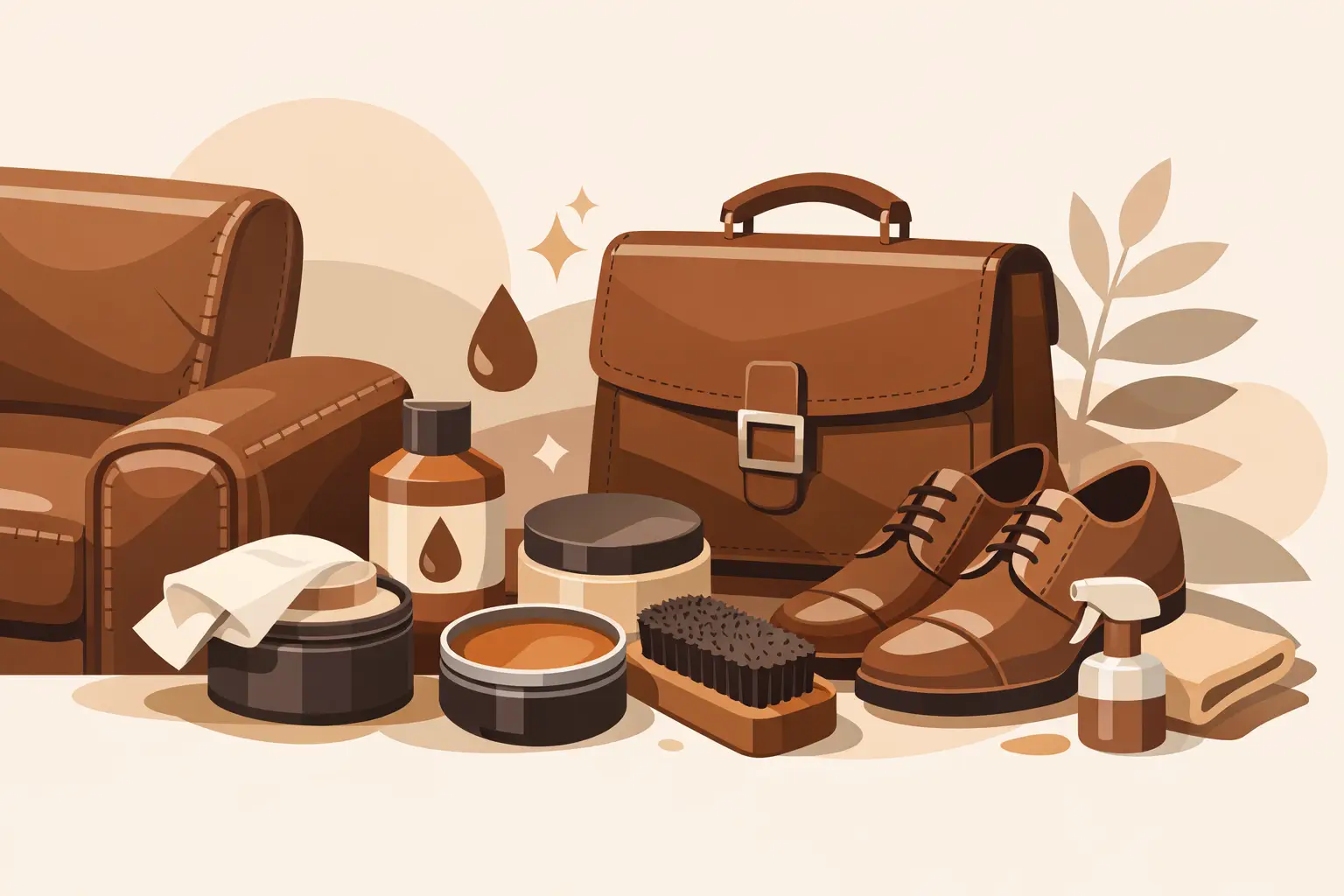
Many people treat leather care as polishing alone. In practice, it is a combination of cleaning, conditioning, protecting, storing, and repairing at the right moment. Each step supports the others. Clean leather accepts conditioner better. Conditioned leather resists cracking. Proper storage reduces shape loss and surface stress. Timely repair keeps small structural issues from turning into visible damage.
This is especially true for premium items. A luxury handbag with a worn corner is not the same problem as a budget tote with scuffs. A designer loafer with a thinning sole should not be handled like an everyday casual shoe. Better materials deserve more precise treatment, and in many cases, they require it.
Leather is also not one uniform material. Smooth calfskin, suede, nubuck, patent leather, and treated fashion leathers all respond differently to cleaning and moisture. One product that works well on a classic dress shoe may leave marks on a soft handbag or flatten the texture of a jacket. Good care starts with knowing what you own.
The daily habits that protect leather best
The most effective care is often the least dramatic. If you wear leather shoes on consecutive days without rest, moisture from the foot remains trapped inside and gradually weakens the structure. If you leave a handbag on the floor, corners and edges take repeated impact. If a jacket is folded tightly in a closet, the leather develops hard creases that are difficult to relax later.
Rotation matters. Let shoes rest between wears. Use shoe trees when appropriate, particularly for structured leather footwear, because they help maintain shape and reduce deep creasing. Bags benefit from gentle stuffing when stored, especially soft-bodied pieces that collapse under their own weight. Jackets need proper hangers with enough shoulder support to avoid distortion.
Environment matters too. Leather does not respond well to extremes. Direct sun can fade color and dry the surface. High heat can stiffen and shrink leather. Humidity can encourage mildew, odor, and finish instability. Air conditioning is better than a damp closet, but overly dry interiors can also pull moisture from the material over time. Balance is the goal.
Cleaning leather without causing more harm
When leather looks tired, many owners reach for whatever cleaner is nearby. That is often where avoidable damage begins. Household wipes, harsh soap, alcohol-heavy solutions, and aggressive scrubbing can strip finish, alter color, or create uneven patches.
For smooth leather, cleaning should be gentle and controlled. Remove dust first with a soft dry cloth. If surface dirt remains, use a leather-appropriate cleaner in a small amount and test it in a discreet area. Work lightly rather than soaking the material. More liquid does not mean a better result. It usually means longer drying time and greater risk.
Suede and nubuck require even more restraint. Water can leave marks, and friction can change the nap. A specialized brush or dry-cleaning approach is often safer than trying to force out a stain with moisture. Patent leather presents a different issue. It usually needs surface cleaning and careful buffing, but heavy creams can leave residue rather than improve the finish.
One practical rule applies across categories: treat stains early. Fresh marks are usually more manageable than set-in damage. Oil, dye transfer, beverage spills, and street grime all become harder to remove the longer they sit. When the item is expensive or the stain is prominent, improvising can cost more than professional treatment.
Conditioning and protection for long-term results
If cleaning removes dirt, conditioning restores balance. Leather naturally loses oils over time, and when that loss goes unchecked, the surface can become dry, brittle, or prone to cracking. A good conditioner supports suppleness and helps preserve the depth of the finish.
That said, over-conditioning is real. Too much product can soften leather beyond what is ideal for structured shoes or bags, and it can also attract dust or leave buildup around seams. The right schedule depends on climate, frequency of use, and leather type. In a hot region, or for items that see frequent wear, leather may need attention more often than pieces kept for occasional use.
Protection is not the same as conditioning. Protective products are intended to help leather resist moisture, dirt, and surface staining. They are useful, but not universal. Some can slightly alter sheen or feel. Others work better on rugged leather than on delicate luxury finishes. This is where expert judgment matters. Preserving the original character of the item should always come before applying a generic coating.
When repair becomes part of leather care and maintenance
The idea that repair begins only after something is ruined is one of the most expensive mistakes luxury owners make. Good leather care and maintenance includes structural intervention before visible wear turns into permanent loss.
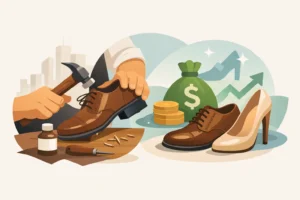
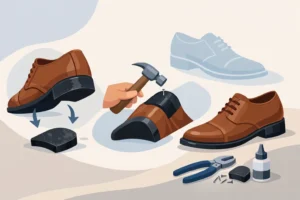
Take shoes as an example. A sole that wears thin changes how the shoe meets the ground, which affects comfort, balance, and upper strain. Replacing a worn heel cap early is simple. Waiting too long can damage the heel block itself. The same logic applies to insoles, stitching, and internal support. What starts as a minor issue can gradually compromise the whole shoe.
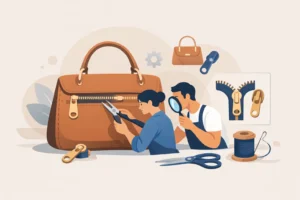
Handbags tell a similar story. Loose glazing, corner wear, stretched handles, lining damage, and failing zippers rarely improve with time. They usually worsen through continued use. A bag can still look presentable from a distance while its stress points are already under pressure. Early repair protects both function and appearance.
Jackets and boots also benefit from timely intervention. Split seams, fading panels, stuck zippers, and shape loss are often repairable when addressed properly. Left untreated, they can affect fit, comfort, and finish in ways that are harder to reverse.
This is where a specialist earns their place. Premium restoration is not just about fixing what is broken. It is about matching color accurately, preserving original proportions, choosing suitable materials, and respecting the design language of the item. That level of care matters more with luxury goods because a poor repair is often more noticeable than the original wear.
How to know when home care is enough
Routine upkeep at home is appropriate for light dust, basic conditioning, careful storage, and quick attention to minor surface marks. That is the maintenance side of ownership, and it should be part of your regular habit.
Professional help makes more sense when the issue involves structure, deep staining, color loss, sole wear, zipper failure, lining damage, odor treatment, stretching, or finish correction. The same applies when the item is high value and the risk of trial-and-error is simply not worth it. There is no advantage in saving a small service cost if the result is permanent damage to a premium piece.
A trusted workshop also helps with judgment calls. Sometimes a full color refresh is the right answer. Sometimes a localized repair preserves originality better. Sometimes sanitization and polishing are enough to restore a neglected pair. It depends on the item, the leather type, and how you want it to age.
At Shoe Clinic, that practical approach is central to how luxury leather goods are handled. The goal is not to over-treat an item. It is to restore what matters, protect what can be preserved, and extend the life of pieces worth keeping.
A better standard for ownership
Premium leather asks for attention, but it rewards it. Shoes hold their line longer. Bags keep their structure. Jackets wear in instead of wearing out. The right care does not make leather look new forever, and that should not be the target. Good maintenance respects the material, preserves the craftsmanship, and lets the piece mature with dignity.
If you own leather worth repairing, then caring for it should not start after failure. It should start while the item still looks good, feels good, and has years left to give.