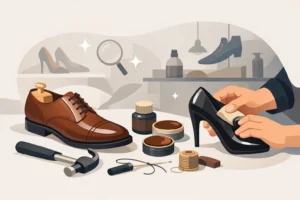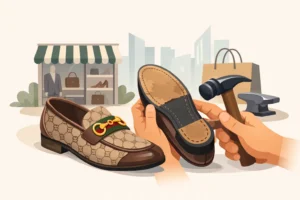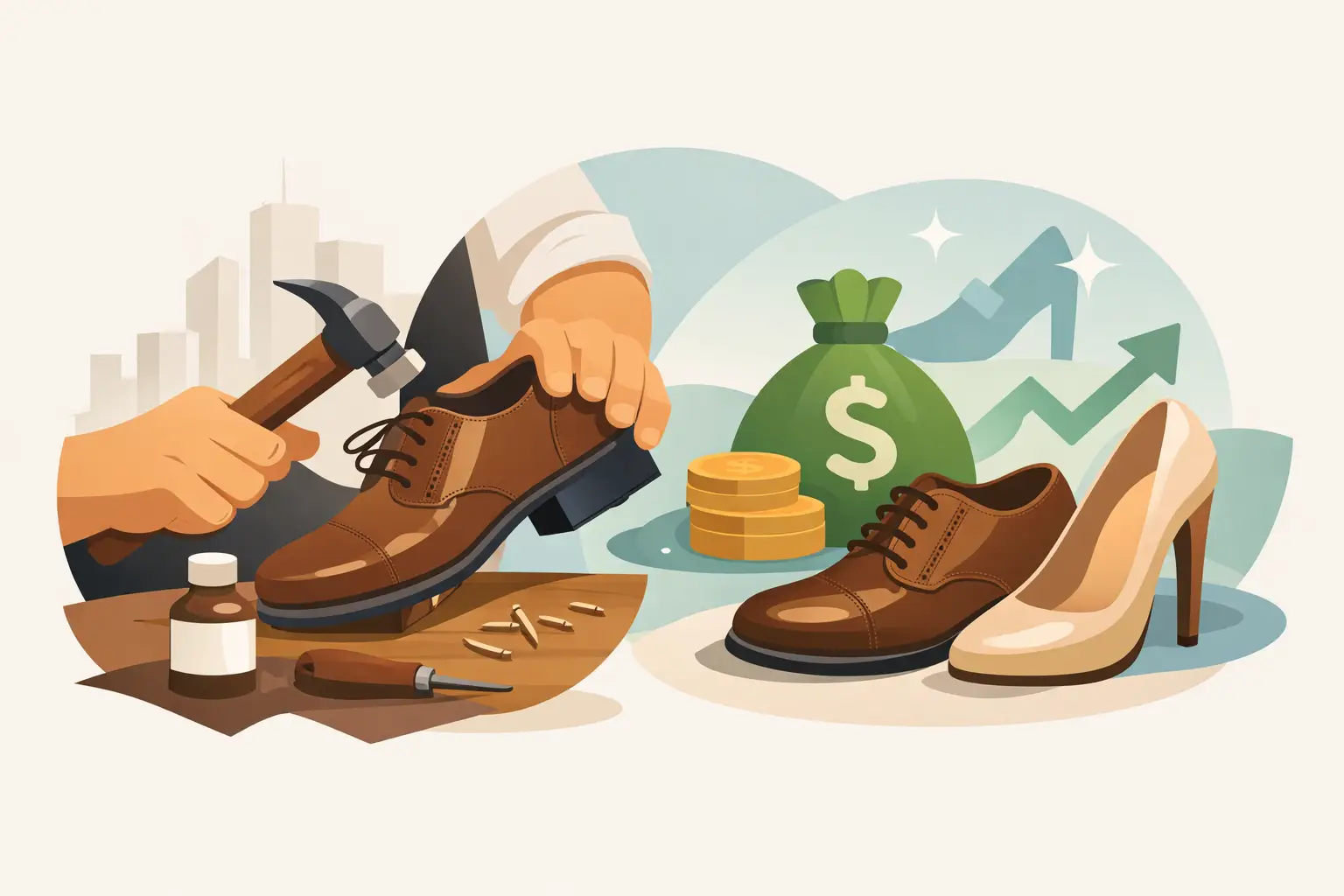
A worn heel, a peeling sole, or cracked leather can make an expensive pair of shoes feel finished long before they actually are. That is usually the moment people ask, is shoe repair worth it? For well-made shoes, especially leather pairs with solid construction, the answer is often yes – but only when the repair matches the quality of the item and the skill of the workshop.
Cheap shoes are designed to be replaced. Premium shoes are designed to be maintained. That distinction matters more than most people realize, because the value of repair is not just about cost. It is about preserving fit, comfort, appearance, and the character of a pair you already trust.
When is shoe repair worth it?
Shoe repair is worth it when the shoe still has strong fundamentals. If the upper leather is in good condition, the shape is intact, and the damage is limited to parts that naturally wear out – such as heel caps, soles, insoles, stitching, or zippers on boots – repair usually makes practical sense.
This is especially true for premium leather footwear. A quality pair molds to your foot over time. The break-in period is behind you, the fit is proven, and the look often improves with age if the leather is properly cared for. Replacing that with a brand-new pair is not always a better outcome, even if you can afford it.
There is also a visual argument for repair. Luxury and premium shoes often have details that are hard to replace exactly – the tone of the leather, the shape of the last, the finish, the edge work, the stitching style. Expert restoration protects those details instead of forcing you to start over with something similar, but not the same.
The cost question is only one part of it
Most customers begin with a simple comparison: repair cost versus replacement cost. That is a fair starting point, but it is not the full calculation.
If you spent significantly on a pair of loafers, boots, dress shoes, or designer sneakers, a professional repair that restores structure and appearance can be a smart investment. Replacing heel caps, fixing detached soles, re-stitching stress points, rectifying insoles, or refinishing scuffed leather usually costs far less than buying the same level of quality again.
But the real value often shows up in wear life. A good repair can give you months or years of additional use, depending on how often you wear the pair and how well you maintain it afterward. That makes the cost per wear much lower than people assume.
There is also the convenience factor. Finding a new pair with the same fit, same comfort, and same visual impact can take time. For busy professionals and style-conscious buyers, repair is not just economical. It is efficient.
When repair makes less sense
Not every pair should be saved. If the base material is poor, the inner structure has collapsed, or the damage is widespread across the upper, sole, lining, and heel at once, repair can become more cosmetic than corrective.
This is where honest assessment matters. If the shoe was inexpensive to begin with and built from low-grade synthetic materials, major repair may cost more than the pair is worth. In those cases, replacement is usually the better decision.
The same applies when previous repairs were badly done. Excess glue, mismatched materials, poor sole alignment, or incorrect stitching can create new problems that are harder to reverse. A premium repair service should be clear about what is fixable, what will look close to original, and when expectations need to be realistic.
The type of damage changes the answer
Some repairs are straightforward value decisions. Heel cap replacement, sole reattachment, minor stitching repair, stretching, polishing, and stain removal are often worthwhile because they address common wear without changing the identity of the shoe.
Other cases require deeper craftsmanship. Full sole replacement, major color restoration, insole rebuilding, structural heel repair, and leather patching can absolutely be worth it, but only for shoes that justify the work. On a well-made pair, these services can restore both function and presence. On a poorly made pair, they may only delay replacement.
Boots deserve a separate mention. Quality leather boots are among the best candidates for repair because their uppers often outlast the bottom components by a wide margin. Replacing worn soles, restoring zippers, correcting lining issues, and refinishing leather can dramatically extend their life.
Why premium repair matters for premium shoes
There is a big difference between making a shoe wearable and restoring it properly. If you own luxury or premium footwear, the repair standard has to match the original product. Otherwise, the result can look obvious, feel off, or even reduce the value of the item.
That is why material matching, finish control, and brand familiarity matter. Leather grain, color depth, edge paint, stitching density, heel shape, and sole profile all influence the final result. A rushed repair can fix one issue while creating three new ones. An expert repair respects the original construction and aims to preserve the shoe’s character.
This is where specialized workshops stand apart from general quick-fix services. A premium provider does not treat every pair the same. The approach changes depending on leather type, brand design, wear pattern, and intended use. That level of care is what makes repair truly worthwhile.
Comfort is part of the value
People often focus on appearance first, but comfort is one of the strongest reasons to repair instead of replace. Once a quality shoe has adapted to your foot, it becomes difficult to replicate that exact feel.
A repaired insole, corrected heel balance, replaced heel cap, or restored lining can bring back stability and comfort without sacrificing the familiar fit. For customers who spend long days on their feet, travel frequently, or rotate through a carefully built wardrobe, that matters.
Repair also allows you to solve issues that new shoes sometimes create. Tight areas can be stretched. Slipping insoles can be corrected. Friction points can be adjusted. In that sense, repair is not just preservation. It can be improvement.
Is shoe repair worth it for designer shoes?
For designer and luxury shoes, the answer is very often yes. The higher the original quality and the more distinctive the design, the stronger the case for professional restoration.
Designer shoes are not only expensive to replace. They are also harder to match once a style is discontinued or updated. A trusted repair specialist can extend the life of a pair you already love while maintaining the details that made you choose it in the first place.
This is particularly relevant for leather soles, refined heel structures, delicate finishes, and signature silhouettes. These features require careful handling. When repaired properly, they retain both appearance and usability. When repaired poorly, the damage becomes more visible than the original wear.
At Shoe Clinic, this is exactly why premium restoration is treated as a craft rather than a shortcut. The goal is not to make luxury footwear merely passable again. It is to return it as close as possible to its original standard.
How to decide before you commit
A simple rule works well here: assess the shoe in layers. First, consider the brand and build quality. Second, look at the condition of the upper and structure. Third, compare the repair cost to the replacement cost and expected future wear.
If the shoe is high quality, the damage is localized, and you expect to wear it regularly after repair, the decision is usually easy. If the shoe is low quality, heavily deteriorated, or rarely used, repair may be harder to justify.
Photos can help, but expert evaluation matters. A specialist can often spot whether the issue is cosmetic, structural, or both, and that changes the recommendation. Clear advice is part of good service.
The best repairs do not simply rescue a pair from the bin. They protect items that still have value, function, and presence. If your shoes are worth wearing, they are often worth restoring too.
Before you replace a pair that still fits beautifully, consider what you are really giving up – not just leather and soles, but comfort, quality, and a finish that already belongs to you.