A shoe can look almost perfect on the outside and still feel wrong the moment you put it on. That usually points to the interior – where pressure, friction, collapsed padding, and damaged lining quietly turn a good pair into one you avoid wearing. Insole rectification for shoes addresses that hidden damage, restoring comfort, structure, and wearability without compromising the character of the pair.
For premium footwear, this matters more than many owners realize. Luxury shoes are built with better materials, finer shaping, and more precise balance than mass-market pairs. When the insole begins to shift, sink, peel, or crack, the entire experience changes. The shoe may still look elegant, but it no longer supports the foot as intended.
What insole rectification for shoes actually means
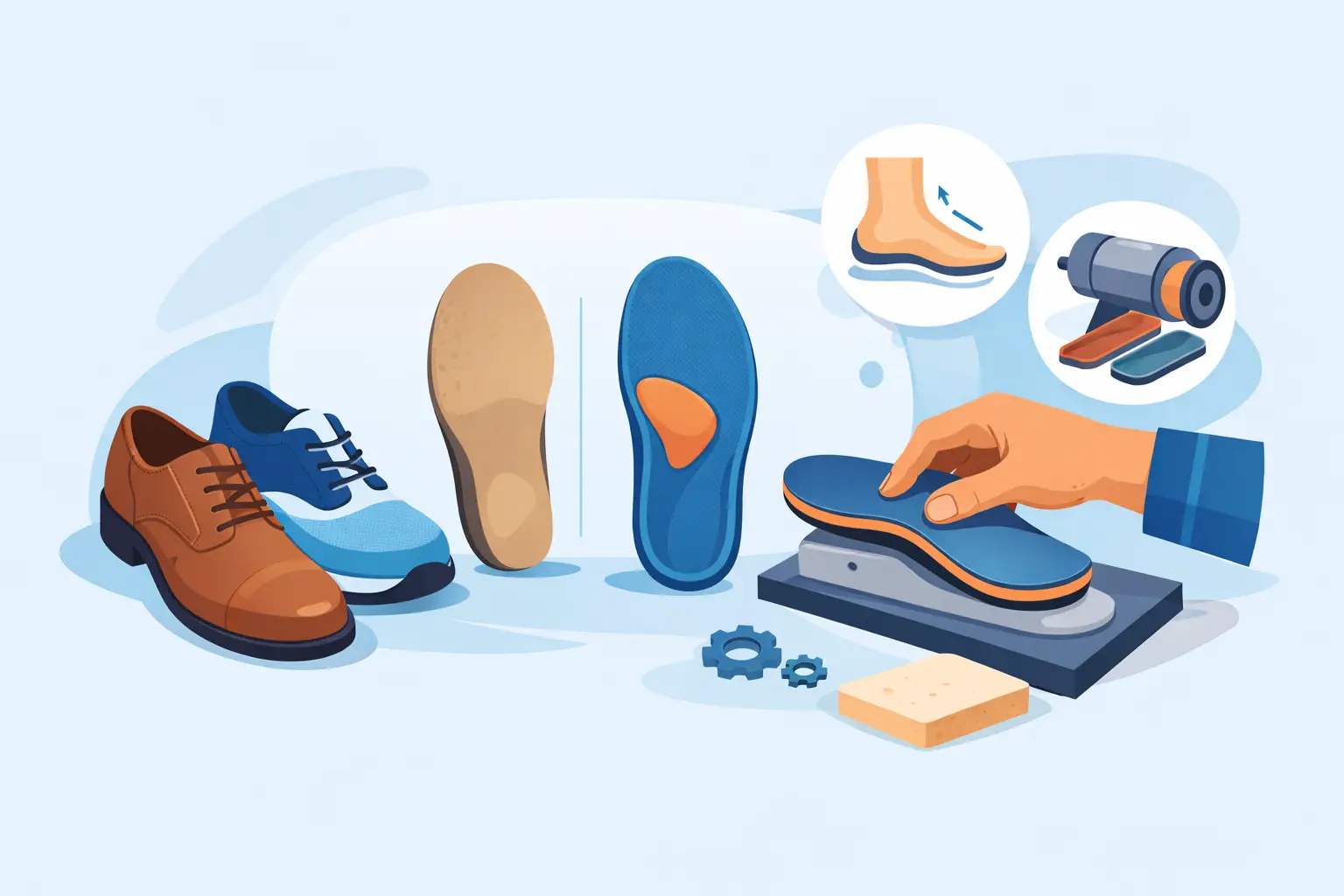
In simple terms, insole rectification for shoes is the repair, correction, or replacement of the interior footbed area when it becomes damaged or uncomfortable. That can include worn top layers, collapsed cushioning, detached sections, uneven support, moisture-related deterioration, or internal surface damage that affects fit and comfort.
This is not always a full insole replacement. In many cases, rectification means restoring the existing structure where possible. For a well-made leather shoe, that distinction is important. A skilled repair approach looks at what can be preserved, what must be rebuilt, and how to maintain the original feel of the shoe as closely as possible.
The right method depends on the shoe’s construction. A dress shoe, a designer loafer, a boot, and a sneaker all behave differently on the inside. Premium repair is never one-size-fits-all.
Signs your shoes need insole rectification
Most customers wait until the discomfort becomes obvious, but the earlier the issue is addressed, the better the result tends to be. If you notice that one shoe feels lower than the other, the interior lining is lifting, the heel area is thinning out, or the footbed feels uneven under pressure, the insole may already be failing.
You may also see visible wrinkling inside the shoe, darkened wear patches, cracked leather under the heel, or edges that have begun to curl. In some cases, the problem shows up as fatigue rather than pain. The shoe simply stops feeling supportive, especially after a few hours of walking or standing.
For customers who wear premium leather shoes regularly, small internal issues can quickly become larger structural ones. When the insole no longer supports the foot properly, stress shifts to the heel seat, sole, and upper. A repair that starts inside the shoe can help prevent more costly work later.
Why the insole matters more than people think
The insole is where your foot meets the shoe. It affects pressure distribution, stability, fit, and comfort every time you take a step. Even a beautifully made exterior cannot compensate for an interior that has broken down.
In quality leather shoes, the insole also contributes to how the shoe keeps its shape over time. If the internal layers compress unevenly or separate, the shoe may begin to feel loose in one area and tight in another. That often leads owners to assume the pair is simply old, when the real issue is an interior repair problem that can often be corrected.
This is especially relevant for customers who invest in luxury or premium footwear. A well-constructed pair is worth preserving. Replacing it because of internal discomfort alone is often unnecessary.
Common problems solved by insole rectification for shoes
Some shoes come in with obvious interior damage. Others require a closer inspection because the discomfort is there, but the cause is less visible. In both cases, the goal is the same – restore a stable, comfortable interior that suits the original design of the pair.
One of the most common issues is heel-area wear. This happens when repeated pressure flattens the padding or wears through the top layer, creating a hard or uneven feeling underfoot. Another frequent problem is detached lining, where the insole cover begins to lift or shift, creating friction and movement inside the shoe.
Moisture damage is also common, particularly in warm climates and with frequent wear. Sweat, heat, and trapped humidity can cause adhesives to weaken and materials to degrade faster. In leather-lined shoes, this can lead to curling, cracking, odor retention, or a generally tired interior finish.
Then there are cases where support is the issue. The shoe may not be visibly damaged, but the footbed no longer feels balanced. This can happen gradually and is often more noticeable in shoes worn for business travel, daily office use, or long periods on foot.
How a premium repair process works
A proper insole repair starts with diagnosis, not assumptions. The first step is understanding whether the issue is cosmetic, structural, or both. Some shoes only need the top layer renewed. Others need internal padding rebuilt or damaged sections replaced more extensively.
After assessment, the repair strategy should match the shoe’s materials and construction. Leather insoles require different handling than synthetic ones. Cemented footwear, stitched footwear, and molded interiors all call for different techniques. If the pair is from a luxury brand, the repair also needs to respect the original shape, finishing, and feel.
This is where craftsmanship matters. A rushed interior repair may solve one problem and create another – bulkiness, stiffness, poor alignment, or a finish that feels noticeably different from the untouched shoe. Premium service means the correction should feel natural, secure, and proportionate to the original design.
At Shoe Clinic, that service-led approach matters because customers are not just fixing a utility item. They are preserving a pair they value, often for professional wear, travel, or personal style.
Repair or replace – what makes sense?
It depends on the condition of the shoe and the quality of the pair. If the upper, outsole, and general structure are still in good shape, insole rectification is often the right decision. It restores comfort and extends the life of a shoe that still has strong material value.
If the shoe has widespread internal and external deterioration, a broader restoration may be more sensible than a limited repair. On the other hand, if the damage is isolated to the insole area, addressing it early can preserve both comfort and appearance at a far lower cost than waiting for more parts to fail.
This is particularly true for premium and luxury shoes. These pairs are made to justify repair. Their materials, construction, and brand value mean restoration is often the more practical long-term choice.
What customers should expect from quality results
A successful insole rectification should not feel like a crude patch. The interior should sit flat, feel secure, and support the foot evenly. There should be no bunching, lifting, or obvious mismatch in the repaired area.
Visually, the finish should be clean and consistent with the rest of the shoe. Functionally, the pair should feel more stable, more comfortable, and easier to wear for longer periods. Depending on the shoe and the extent of work, there may be a short adjustment period, especially if the previous insole had collapsed significantly. But the corrected pair should feel improved, not unfamiliar.
That balance matters. Comfort should improve without stripping away the original identity of the shoe.
Caring for your shoes after insole repair
Once the interior has been restored, daily habits make a real difference. Let your shoes breathe between wears, especially if they are leather-lined. Avoid storing them while damp, and use shoe trees when appropriate to help maintain shape. If you wear the same pair heavily through the workweek, rotation helps reduce moisture buildup and slows interior breakdown.
It is also wise to address minor issues early. A small area of lifting or thinning is much easier to correct than a fully degraded footbed. Premium shoes respond well to maintenance when that maintenance is timely.
For owners of quality footwear, insole rectification is not a minor detail. It is part of preserving the comfort, structure, and standard that made the pair worth buying in the first place. When the inside of the shoe is corrected properly, the whole pair comes back to life – and that is often all it takes to make a favorite pair feel right again.