A worn heel tip on a luxury pump is rarely just a small flaw. Left alone, it can throw off balance, damage the heel structure, and make an otherwise beautiful pair look neglected in a single wear. That is why designer shoe repair is not about patching damage at the last minute. It is about protecting craftsmanship, comfort, and the value of shoes that were made to last.
Premium footwear deserves a different standard of care than ordinary repairs. Designer shoes use finer leathers, more delicate finishes, brand-specific construction, and silhouettes that do not tolerate rough handling. A repair that works on an everyday shoe can easily distort the shape of a luxury loafer, mark a patent finish, or replace an elegant sole with something that looks visibly wrong.
What designer shoe repair actually involves
At the luxury level, repair starts with assessment, not guesswork. The visible issue might be heel wear, sole separation, toe scuffing, loose stitching, or interior damage. But experienced restoration work looks deeper at the structure of the shoe, the condition of the leather, and whether one problem has started to affect another.
For example, a worn heel cap is usually straightforward if caught early. If it is ignored, the heel itself can become damaged, which means the repair becomes more complex and more expensive. The same applies to cracked soles, weakened insoles, stretched straps, and detached stitching. In designer footwear, timing matters.
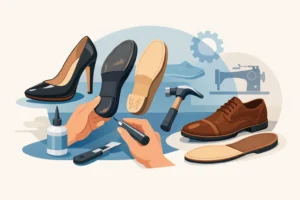
A proper repair can include broken sole replacement, heel repair, heel cap replacement, insole rectification, re-stitching, careful re-bonding, leather cleaning, stain removal, polishing, and finish correction. In some cases, it also includes color touch-up or controlled refinishing to bring back an even appearance without making the shoe look overworked.
Why luxury shoes need a specialist
Not every cobbler is equipped for designer shoe repair, and that distinction matters. Luxury brands build shoes with specific materials and proportions that need precision handling. A generic repair may solve the obvious problem while quietly reducing the quality of the pair.
The biggest risk is mismatch. A sole may be functional but too thick. A replacement heel cap may be durable but visually clumsy. A strong adhesive may hold for a while but affect flexibility or leave residue along the edge. Even polishing can go wrong if the wrong cream darkens the leather or alters the original finish.
A specialist works with a different mindset. The goal is not simply to make the shoes wearable again. The goal is to restore function while preserving the original character of the pair as closely as possible. That is especially important for customers who invest in luxury footwear because they appreciate design, fit, and presentation, not just the label.
The most common designer shoe repairs
Heel damage is one of the most frequent requests, especially on pumps, sandals, and heeled boots. Replacing the heel cap early is a simple intervention that can prevent damage to the heel stem and maintain a clean, balanced walk. Once the actual heel structure is worn down, the work becomes more involved.
Sole wear is just as common. Leather soles naturally wear over time, particularly in cities where hard surfaces are part of daily life. Depending on the condition, the right solution may be reinforcement, partial repair, or full replacement. There is no single answer because it depends on how much of the original sole can still be preserved.
Stitching failure often appears around stress points such as side seams, straps, or the toe box. On designer shoes, sloppy re-stitching stands out immediately, so thread choice, alignment, and stitch spacing all matter. The aim is strength with discretion.
Scuffs, stains, and finish damage are also frequent, especially on light-colored leather, suede, and delicate materials. Some marks can be removed with cleaning and conditioning. Others require more technical refinishing. The key is knowing when to restore and when restraint will produce a better result.
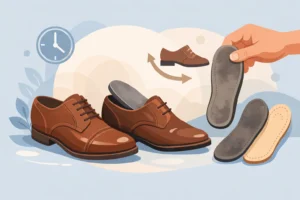
Interior wear is easy to overlook, but it has a direct effect on comfort. Damaged insoles, collapsed support, lining wear, or odor buildup can make expensive shoes feel tired long before their exterior is beyond repair. Correcting the inside of the shoe often adds more usable life than customers expect.
When repair is worth it and when it depends
Most designer shoes are worth repairing if the upper is in good condition and the original shape can be maintained. High-quality leather, strong construction, and a well-made last give specialists more to work with. A pair with sole wear, heel issues, or moderate cosmetic damage is often an excellent candidate.
It becomes more case-by-case when there is severe cracking, water damage, major structural collapse, or repeated poor-quality repairs from the past. Some shoes can still be restored beautifully. Others can be stabilized and improved, but not returned to near-original condition. A trustworthy workshop should be clear about that from the start.
That honesty is part of premium service. Customers with luxury items do not need vague promises. They need a realistic assessment of what can be repaired, how the finish may look afterward, and whether there are trade-offs between aesthetics, durability, and cost.
How to choose a designer shoe repair service
The best place to start is with specialization. A repair service that regularly handles luxury leather goods will understand material sensitivity, brand expectations, and the visual standards required for premium items. That is very different from a shop built around fast, basic repairs.
Look for a clear repair process. Good service should feel organized from the first consultation, whether that starts in person or through images. You should know what the issue is, what work is recommended, and what result is realistic before the shoes are handed over.
Craftsmanship matters, but so does handling. Premium clients care about convenience, communication, and consistency. Shoes should be tracked carefully from submission through delivery, and the service should inspire confidence that the pair will be treated with respect at every stage.
This is where a specialist like Shoe Clinic stands apart. The work is not approached as generic repair. It is treated as restoration, with the practical mindset of a leather doctor focused on extending life without compromising appearance.
Preventing damage before you need designer shoe repair
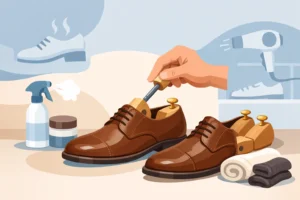
Luxury shoes last longer when maintenance is consistent rather than reactive. Rotating pairs is one of the simplest ways to reduce premature wear. Wearing the same shoes on consecutive days traps moisture, stresses the sole, and shortens the life of the interior.
Storage also matters more than many people realize. Shoe trees help maintain shape in leather styles, while dust bags and proper shelving reduce scratches and surface drying. For delicate finishes, careful handling before and after wear can prevent much of the cosmetic damage that later requires correction.
Early intervention is the real advantage. Replace heel caps before they grind down the heel. Address sole wear before moisture reaches the inner layers. Clean stains before they set. Repair loose stitching before a seam opens further. Small repairs preserve more of the original shoe, and that usually leads to better visual results.
The real value behind repair
Designer shoe repair is often discussed in terms of savings, but for many owners that is only part of the picture. The stronger reason is preservation. A well-made pair carries value in its fit, finish, and familiar comfort. Replacing it is not always easy, even when budget is not the main concern.
There is also a standard issue at play. If you are used to luxury footwear, basic repair work feels obvious the moment you put the shoes back on. The silhouette looks off. The leather feels neglected. The details no longer match the quality of the original pair. Proper restoration protects the experience of wearing the shoes, not just their appearance on a shelf.
That is why premium repair should feel deliberate, technically sound, and visually disciplined. The best result is not a repair that calls attention to itself. It is a pair that looks right, feels right, and returns to your wardrobe with confidence.
If your shoes are showing the first signs of wear, that is the best moment to act. Luxury footwear rewards timely care, and the right hands can add far more life to a pair than most people expect.