A once-rich black loafer that now looks gray at the toe, a handbag with sun-faded corners, a leather jacket that has gone flat across the shoulders – this is usually where customers start asking how to restore faded leather color without ruining the finish. The right approach depends on why the leather faded, what type of item you own, and whether the damage is only surface-deep or has already affected the leather coating itself.
Leather does not lose color for one reason alone. Sun exposure, body oils, friction, heat, dry air, poor storage, aggressive cleaning products, and everyday handling all play a part. In a climate where heat and light are constant factors, premium leather goods can fade faster than owners expect, especially on high-contact areas like shoe toes, bag handles, jacket collars, and boot shafts.
That is why color restoration should never start with dye. It starts with diagnosis. If you skip that step, you can end up sealing in dirt, darkening uneven patches, or creating a finish that looks obviously repaired.
How to restore faded leather color without guesswork
The first question is whether the leather is coated, dyed through, suede, nubuck, or finished with pigment. Most luxury shoes, handbags, and jackets are not treated the same way, and each responds differently to cleaners, conditioners, and recoloring products. Smooth finished leather is the most forgiving. Suede and nubuck are far less so, and full color restoration on those materials often requires specialist handling.
Before doing anything, inspect the item in natural light. Look for dry cracking, scuffs, flaking, stiffness, dark oil spots, or areas where the top finish has worn away entirely. If the leather feels rough and thirsty but the color loss is light, conditioning and cream-based color revival may be enough. If the finish has broken down, you are no longer doing simple maintenance – you are doing restoration.
Cleaning comes first because faded leather often looks worse than it is. Surface dust, old polish, skin oils, and environmental grime create a dull, chalky cast that mimics color loss. Use a leather-safe cleaner applied to a soft cloth, never soaking the item. Work gently and let the leather dry fully before judging the real extent of fading.
This step matters more than most people realize. On premium goods, especially luxury handbags and dress shoes, cleaning can reveal that the original color is still present under residue. It can also show where the wear is concentrated, which helps you avoid over-treating sections that do not need recoloring.
Start with moisture, not pigment
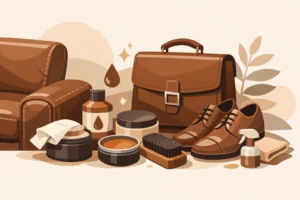
If the leather is dry, conditioning is the next move. Dry leather reflects light poorly and often looks faded because it has lost suppleness, not because the pigment is completely gone. A quality leather conditioner can deepen tone slightly, improve surface richness, and reduce the ashy appearance that develops over time.
This is where restraint matters. Too much conditioner can soften structure, leave residue, or interfere with later color work. Shoes can lose shape, handbags can become greasy at the handles, and jackets can develop uneven darkening. Apply lightly, allow absorption, then reassess.
For lightly faded smooth leather, a tinted cream or polish can often restore visual depth very effectively. This works especially well on black, dark brown, oxblood, and other classic shoe colors. Creams are useful because they combine light nourishment with surface color refresh. They do not rebuild severe loss, but they can make a well-made item look substantially better with minimal intervention.
For handbags and jackets, the equation changes. These pieces usually have larger visible panels, making patchy color work easier to spot. A small improvement on a shoe toe may pass unnoticed. The same inconsistency across a handbag flap or jacket sleeve will not. Large-panel leather often needs more controlled recoloring for a premium result.
When faded leather needs recoloring
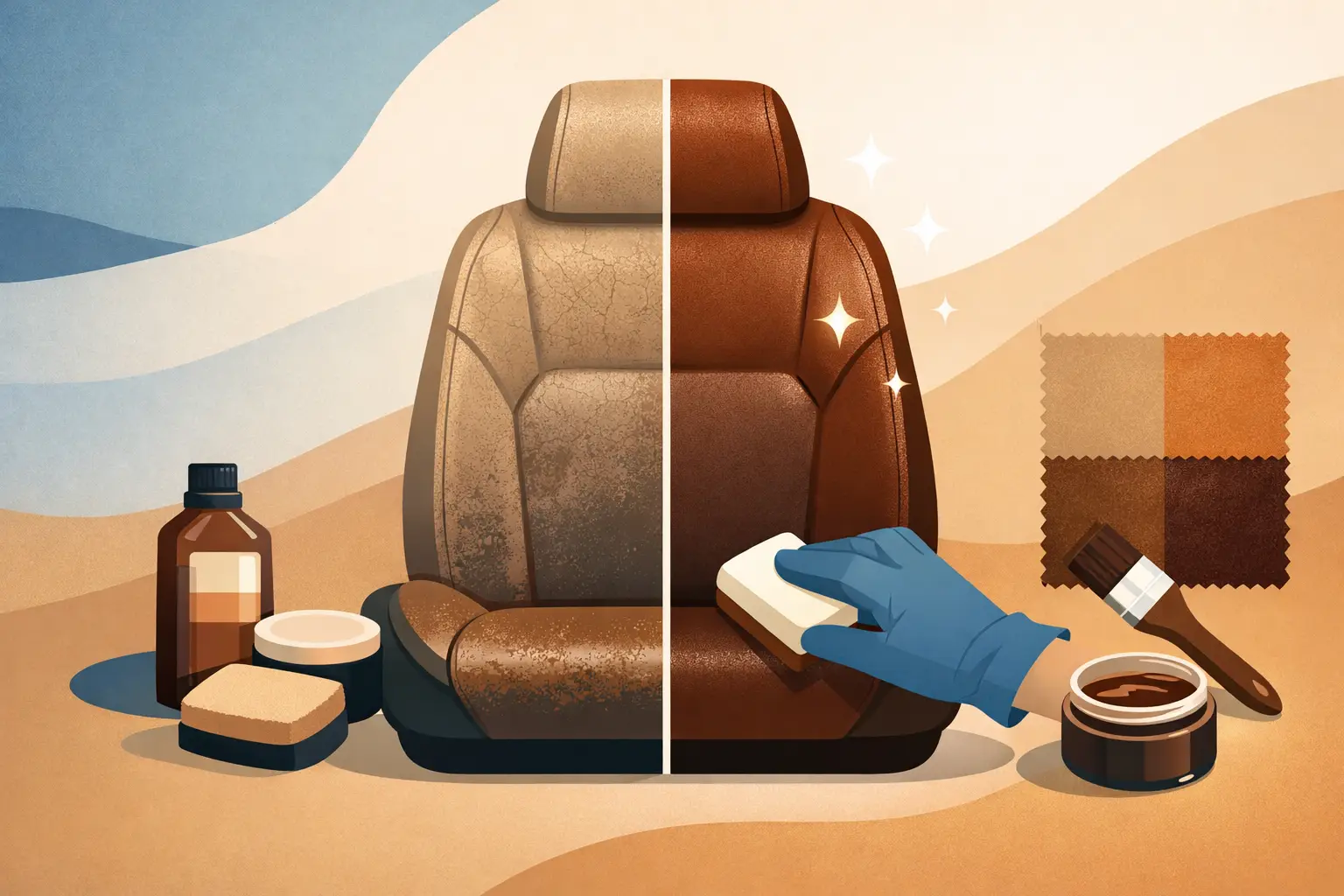
If conditioning and cream do not restore the appearance, the leather may need a colorant rather than a simple care product. This is the stage where many DIY attempts go wrong. Matching the original tone is only one challenge. The real issue is finish balance. Luxury leather rarely has a flat, one-note appearance. It may have depth, slight transparency, gloss control, edge contrast, or hand-finished character that a generic leather dye cannot reproduce.
Recoloring usually involves careful prep, light sanding where appropriate, removal of unstable surface residue, layered pigment application, drying between coats, and sealing. If done too heavily, the leather can look painted over rather than restored. If done too lightly, the fading shows through and the repair looks incomplete.
The risk increases on designer bags, premium calfskin shoes, and soft lambskin jackets. These materials show mistakes quickly. Once an incorrect product has been applied, professional correction becomes more difficult and sometimes more expensive than restoring the original fading would have been.
This is why anyone searching how to restore faded leather color should think in terms of value, not only effort. A basic wallet may be suitable for careful at-home treatment. A luxury handbag, bespoke shoe, or branded leather jacket usually deserves specialist restoration, especially if color consistency and original character matter.
Different leather items fade in different ways
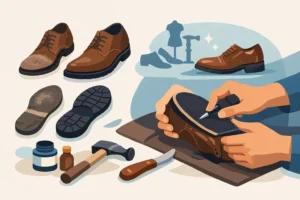
Shoes usually fade from abrasion and polish loss. Toes, heel counters, and crease lines take the most punishment. Here, targeted recoloring can work well because the worn areas are predictable and the structure is firm.
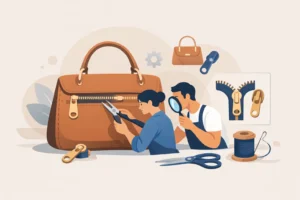
Handbags often fade at corners, handles, flap edges, and front panels exposed to sun. These are visually sensitive areas. If one corner is recolored too dark, it stands out immediately. Bag restoration often needs a more even, panel-aware approach.
Leather jackets fade from UV exposure, friction at the collar and cuffs, and natural oil transfer from skin and hair. Because jackets drape and move, stiff or heavy product application can make the repair obvious. Softness and finish flexibility matter as much as color match.
Boots sit somewhere in between. Fashion boots may need aesthetic restoration, while work or riding boots may need both color correction and structural care. If the leather is heavily dried out, restoring color without addressing the underlying condition is only a short-term fix.
Mistakes that make faded leather worse
The most common mistake is using household products. Baby wipes, vinegar mixes, harsh soap, hair dye, and multipurpose cleaners can strip finish, stain absorbent areas, or cause drying that leads to cracking. Another frequent mistake is choosing a color that is “close enough.” On quality leather, close enough often looks noticeably wrong.
Over-buffing is another issue. Rubbing aggressively to remove fading can actually remove more finish. The same goes for repeated product layering. If the first coat does not solve the issue, five more usually will not solve it elegantly.
Then there is the false shortcut of using heavy polish to mask damage. This can improve appearance briefly, but it may also hide the real condition and create buildup that complicates proper restoration later.
When professional restoration is the better choice
If the leather is expensive, sentimental, structurally dry, unevenly faded, or part of a luxury item, professional care is often the smarter decision. An experienced leather restoration specialist does more than add color. They assess finish type, prep correctly, test compatibility, match tone with intention, and protect the item after recoloring.
That matters because premium restoration is not about making leather look newly painted. It is about making it look like itself again. For customers who care about brand integrity, material quality, and long-term wear, that distinction is everything.
At Shoe Clinic, this is exactly how faded leather is approached – as a repair problem first and a color problem second. That order protects the result.
How to keep leather color from fading again
Once color has been restored, maintenance becomes much simpler than correction. Store leather away from direct sunlight. Keep it clean, but avoid over-cleaning. Condition on an appropriate schedule rather than only when the item already looks tired. Rotate frequently used shoes and bags so one piece is not absorbing all the wear.
It also helps to address small issues early. Slight dullness, minor scuffing, and light edge fading are easier to correct than deep, uneven discoloration. Waiting too long tends to turn a maintenance service into a more involved restoration job.
Well-made leather goods are meant to age, but they should age with character, not neglect. If the color has faded, the answer is rarely to cover it quickly. The best results come from treating the leather with the same standard that led you to buy a premium piece in the first place.