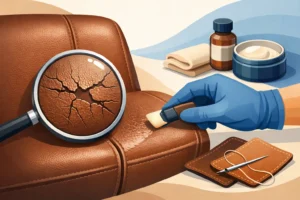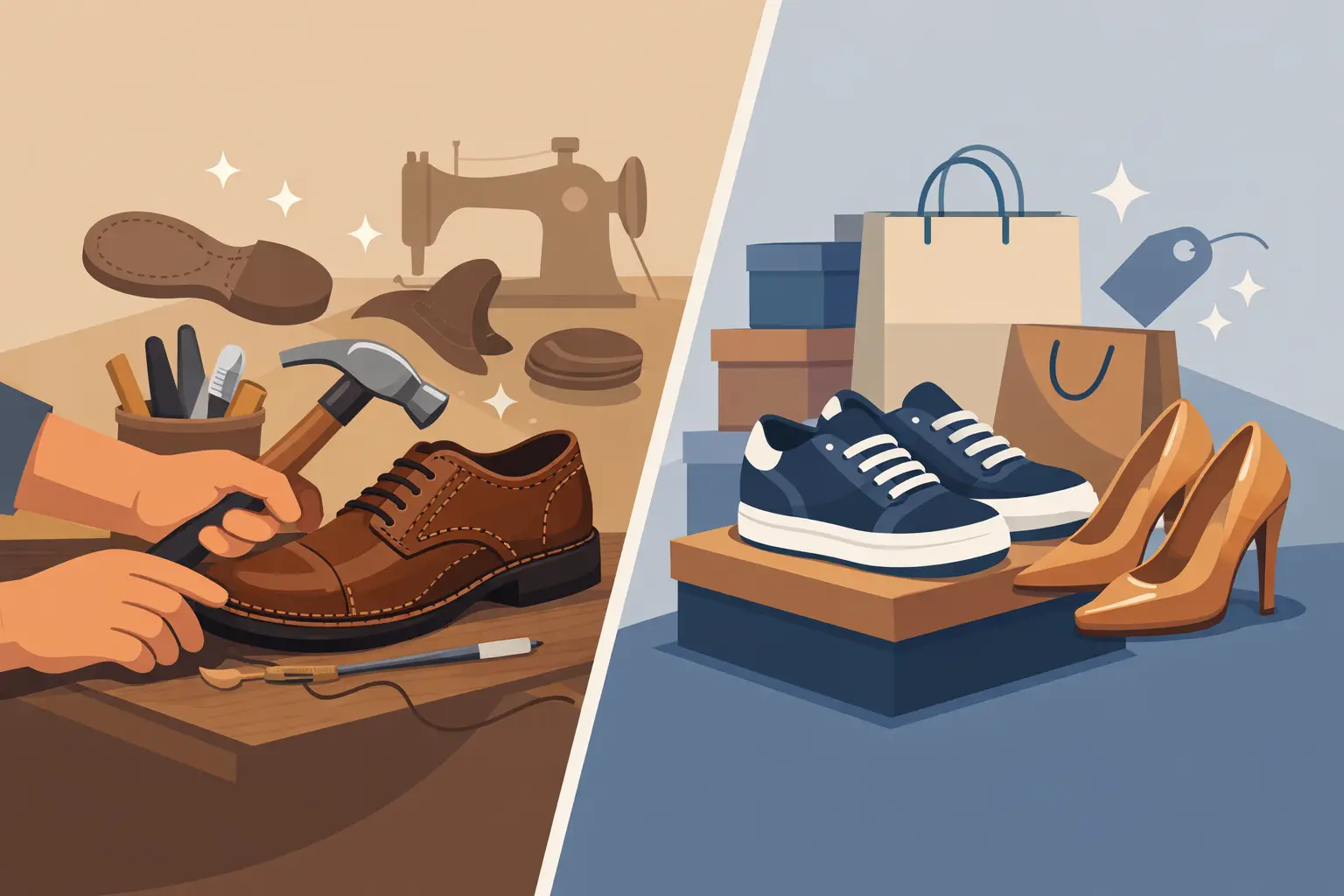
That moment usually comes at the worst time – the sole separates before a meeting, the heel cap wears down during travel, or the leather on a favorite pair starts to crack just enough to make replacement feel tempting. When you weigh shoe repair versus replacement cost, the real question is rarely just about price. It is about material quality, comfort, appearance, and whether the pair still deserves a place in your rotation.
For premium leather shoes and boots, replacement is not always the smarter financial decision. A well-made pair often has far more life left than the surface damage suggests. The right repair can restore structure, improve appearance, and extend wear in a way that protects both your investment and the character of the shoe.
Why shoe repair versus replacement cost is not a simple price comparison
Many people compare repair and replacement by looking at one number against another. If repair costs less than buying new, they repair. If it feels close, they replace. That sounds logical, but premium footwear does not work that way.
A replacement pair may cost far more than the original purchase if the same model has gone up in price, become harder to find, or changed in construction. Even when the retail price is similar, a new pair still needs to be broken in. That matters more than most people expect. Shoes that already match your gait, foot shape, and daily use pattern carry value that does not show up on a receipt.
There is also a quality gap in the market. Many shoes sold at premium prices are not built to be repaired more than once, while truly well-made leather footwear can handle sole replacement, heel repair, stitching correction, insole work, and refinishing. The better the original construction, the more favorable the repair side of the equation becomes.
When repair is usually the better value
Repair tends to make the most sense when the problem is structural but localized. Worn heel caps, damaged soles, loose stitching, weakened insoles, separated edges, and surface staining are all issues that can often be corrected without replacing the entire shoe.
If the upper leather is still strong, repair is usually worth serious consideration. Leather ages differently from synthetic materials. It develops creases and softness, but that does not automatically mean failure. In many cases, the visible wear sits in components that are meant to be renewed over time.
This is especially true for dress shoes, boots, loafers, and luxury sneakers with quality leather uppers. If the fit is excellent and the upper remains intact, paying for expert restoration often delivers better value than starting over with a new pair that may not feel or perform the same.
There is also the issue of brand preservation. Owners of designer or luxury footwear are not simply buying function. They are buying shape, finish, leather selection, and identity. Replacing a pair may mean losing a style that is no longer available or accepting a newer version that does not match the original standard.
When replacement is the smarter choice
Not every pair should be saved. Honest assessment matters.
Replacement is often the better option when the shoe has multiple failures across the upper, lining, structure, and sole at the same time. If the leather is deeply cracked, the internal support has collapsed, the outsole is gone, and the shape has distorted beyond correction, the repair bill can climb to a point where it no longer makes sense.
Material quality also matters. Lower-grade glued construction, synthetic uppers that peel, and foam-heavy shoes with worn-out midsoles generally offer less repair potential. You may be able to patch one issue, but not restore the shoe in a way that lasts.
Hygiene and comfort are another factor. If the interior has deteriorated badly, odor has penetrated deeply, and the shoe no longer supports your foot properly, replacement may be more practical unless the pair has high financial or sentimental value.
The hidden costs people forget when replacing shoes
New shoes come with expenses beyond the sticker price. That is where many repair-versus-replacement decisions get distorted.
The first hidden cost is break-in time. A repaired pair returns to a shape your feet already know. A new pair can mean days or weeks of adjustment, discomfort, or reduced confidence if you rely on that shoe for work, events, or travel.
The second is uncertainty. You know how your current pair performs on long days, polished floors, city streets, and airport runs. A replacement may look similar and still feel completely different.
The third is wardrobe fit. Premium shoe owners often build outfits around certain lasts, finishes, and tones. A restored pair keeps continuity. Replacement can shift the look enough that it no longer works with the same tailoring or occasion.
Then there is timing. Finding the right replacement is rarely instant. For busy professionals, repairing a trusted pair can be more efficient than shopping, trying options, and risking disappointment.
How to judge shoe repair versus replacement cost like a specialist
A practical way to decide is to evaluate the shoe in layers rather than as a single item.
Start with the upper. If the leather is healthy, the pair still has strong potential. Scuffs, fading, minor cracks in finish, and stains are not the same as structural leather failure.
Then assess the bottom unit. Soles and heel caps are consumable components. Heavy wear there is expected, not alarming. In many premium shoes, that is exactly what should be repaired instead of discarded.
Next, consider internal comfort. Insoles, linings, and support can often be rectified. If discomfort comes from worn internal parts rather than the overall shape, repair may restore the shoe more effectively than replacing it.
Finally, think about replacement parity. Can you buy the same quality today at a reasonable price? If the answer is no, repair becomes more attractive.
Why expert repair matters more than the repair price alone
Not all repairs deliver the same result. This is where premium customers often make the right calculation but choose the wrong provider.
A low-cost repair that changes the shoe’s silhouette, uses mismatched materials, leaves visible adhesive marks, or creates uneven balance is not really a saving. It can shorten the life of the pair and compromise the look that made the shoe worth owning in the first place.
Expert repair protects the original character of the item. That means matching materials carefully, correcting wear without overworking the leather, restoring function, and keeping the finish appropriate to the brand and construction. For luxury footwear, craftsmanship is part of the value equation.
This is why image-based consultation and clear repair assessment are so useful. Before committing, you should know what can be restored, what will remain as normal wear, and whether the result justifies the cost. A premium repair service should speak plainly about all three.
A few real-world examples
A pair of quality leather loafers with worn heel caps and sole thinning is usually an easy repair case. The upper may look tired, but if the leather is sound, replacing those worn components and refinishing the surface often costs far less than sourcing a comparable new pair.
A designer ankle boot with a broken zipper and scuffed toe is also often worth repairing. The construction, fit, and brand-specific finish carry value that generic replacement will not match.
On the other hand, a low-cost fashion sneaker with peeling synthetic uppers, crushed interior padding, and separated soles may not justify repair. Even if one issue is fixable, the rest of the shoe may continue failing.
The pattern is simple: the higher the original quality and the more isolated the damage, the stronger the case for repair.
The long-term value of keeping good shoes in service
Well-maintained leather footwear rewards consistency. Small repairs done at the right time prevent larger failures later. Replacing heel caps before they grind down the heel block, correcting loose stitching before it spreads, and restoring soles before water damage reaches the interior all lower total ownership cost.
This is where a repair mindset beats a replacement mindset. Instead of waiting for shoes to become nearly unwearable, timely restoration keeps them polished, reliable, and ready. For people who wear premium shoes regularly, that approach is usually more economical over several years.
It also aligns better with how quality footwear is meant to be used. Good shoes are not disposable. They are maintainable.
At Shoe Clinic, that is the standard we work from every day. The goal is not just to patch damage. It is to restore wearability, preserve appearance, and help customers get the full life out of the shoes they chose carefully in the first place.
If you are deciding between repair and replacement, do not ask only what the next step costs. Ask what value the pair still holds, how well it fits, and whether expert restoration can return it to the standard you expect. The right answer is often sitting in your closet already.