A scraped heel on luxury pumps, a stained handbag corner, a zipper that suddenly stops cooperating – these are small failures that can make an expensive leather item feel finished before its time. The truth is, leather restoration and repair is rarely about hiding damage. It is about preserving craftsmanship, protecting value, and returning a piece you love to proper use without compromising its character.
For premium shoes, handbags, boots, and jackets, replacement is often the most expensive and least satisfying option. A well-made leather item is built to age, but not all aging is graceful. Dryness, sole wear, loose stitching, shape loss, heel damage, interior breakdown, and color fading all change how the item looks and performs. The right repair work addresses both appearance and structure, because a polished finish means very little if the foundation underneath is failing.
What leather restoration and repair really involves
Many customers think restoration starts and ends with surface treatment. In reality, professional work begins with diagnosis. Leather can crack because it has dried out, but it can also crack because the item has been flexing against weakened support. A handbag may look like it only needs recoloring, when the more urgent issue is edge wear, lining stress, or hardware strain.
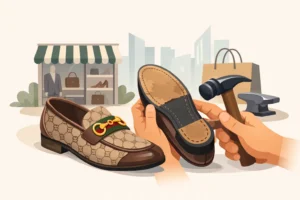
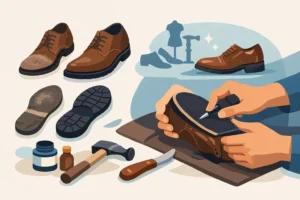
That is why quality leather restoration and repair is a combination of cosmetic correction and functional repair. On footwear, this may mean replacing broken soles, repairing heels, fitting new heel caps, rectifying insoles, restitching seams, or resticking separated sections before any polishing begins. On bags and jackets, it may involve zip replacement, stitching reinforcement, stain removal, panel refinishing, or interior repair before the exterior can be properly revived.
This matters even more with luxury items. Premium leather goods are not interchangeable. Different brands use different finishes, structures, linings, glues, and hardware standards. A repair that seems acceptable on a casual item can significantly reduce the appeal of a designer piece if the finish is off, the proportions change, or the original design language is lost.
When restoration is the smart choice
Not every item should be restored, and not every problem needs a full overhaul. Sometimes a simple heel cap replacement or careful cleaning is enough. Other times, waiting too long turns a manageable repair into a larger intervention.
Restoration makes the most sense when the item still has quality worth preserving. That includes luxury shoes with worn soles but strong uppers, handbags with corner wear but sound structure, boots with damaged heels but solid leather, and jackets with fading or minor tears that have not compromised the full panel. In these cases, expert work can extend usable life significantly while keeping the original look intact.
It also makes sense when the item has personal value. A favorite pair of loafers that fits perfectly, a travel bag that has aged beautifully, or a leather jacket that no new purchase can really replace often deserves more than a quick fix. Good restoration respects that difference.
Where customers can go wrong is assuming every issue should be handled the same way. A deep stain on a light-colored handbag is different from general discoloration. Sole separation is different from full sole breakdown. Surface scratches on smooth calfskin need a different approach than scuffs on textured leather. Results depend on accurate assessment, material knowledge, and restraint.
The most common repairs premium leather goods need
For shoes and boots, structural wear is usually the first problem. Soles thin out, heels become unstable, heel caps wear down unevenly, and insoles lose support. If those issues are ignored, the leather upper starts absorbing stress it was never meant to carry. That is when shape distortion, creasing, and separation accelerate.
For handbags, the pressure points are usually corners, handles, edges, zippers, and interiors. These areas take repeated friction and weight, especially on frequently used luxury bags. A bag may still look elegant from a distance while quietly developing weak stitching, cracked glazing, or lining fatigue.
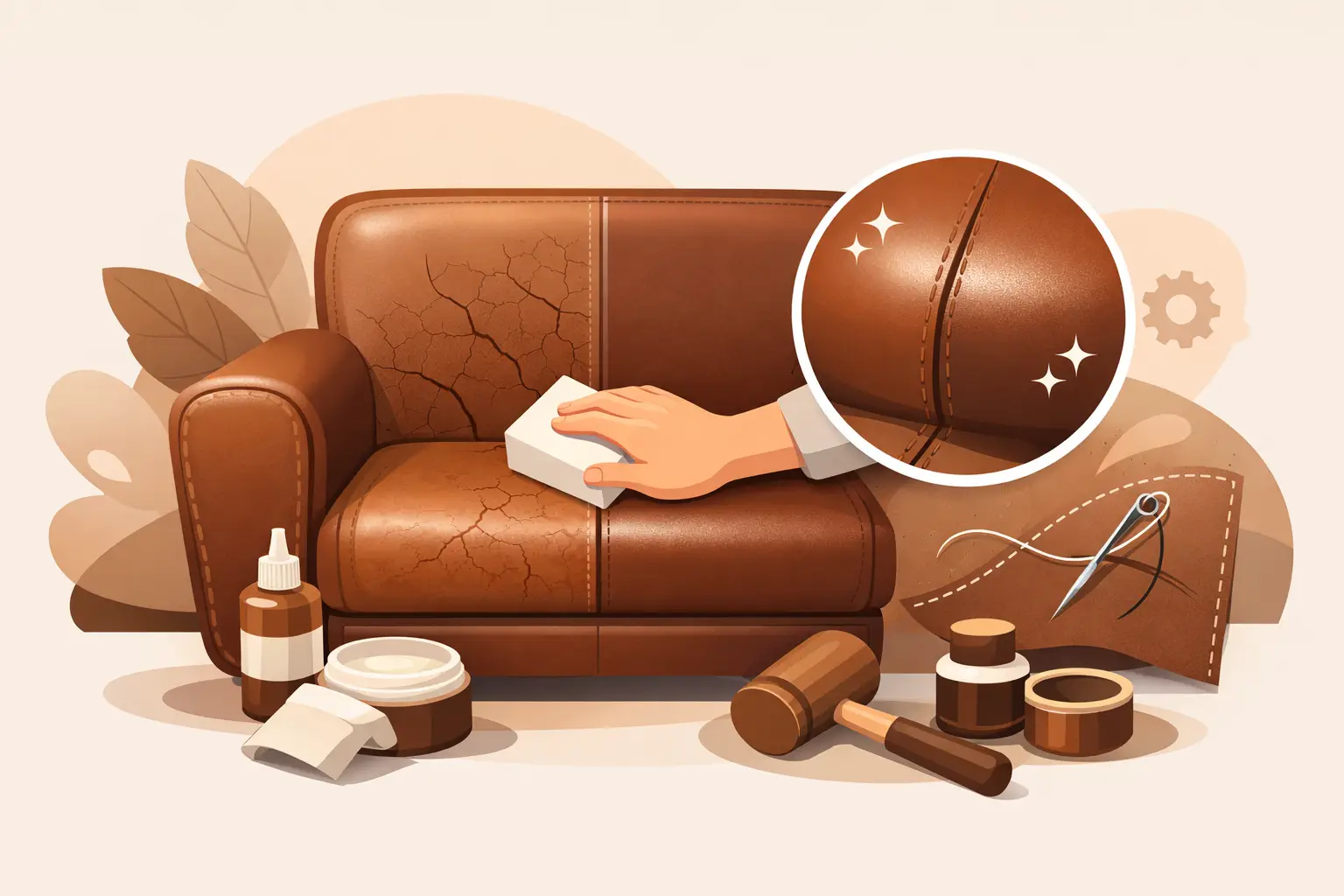
For jackets, dryness, fading, and hardware issues are common. The challenge is keeping the leather supple without oversaturating it and restoring appearance without leaving obvious patchiness. With garments, flexibility matters as much as finish.
Across all categories, stain removal and color correction require care. Some marks sit on the surface. Others have penetrated the finish. Sometimes full recoloring is appropriate. Sometimes spot treatment is the better choice. The best result is not always the most aggressive one.
Why luxury leather needs a specialist
There is a reason premium clients look for specialist care instead of basic repair. Luxury leather goods are often defined by precision – exact color depth, clean edge work, balanced structure, refined stitching, and consistent finish. Once those details are altered carelessly, the item can lose much of what made it valuable in the first place.
A specialist understands how to preserve the original identity of the piece. That might mean matching the tone of a black leather handbag instead of leaving a flat repaint, replacing a zipper without disturbing the silhouette, or rebuilding a sole in a way that supports the shoe while respecting the original profile. Good work should feel integrated, not improvised.
This is also where process matters. Premium service is not just craftsmanship at the bench. It includes clear intake, proper assessment, transparent recommendations, realistic timelines, and careful handling from submission through return. For customers with busy schedules and high expectations, convenience is part of the quality standard.
What to expect from a proper restoration process
The best results usually come from a staged approach. First comes evaluation. Photos can help identify visible wear, but hands-on inspection often reveals hidden issues such as weakened support, internal damage, or stress at seams and hardware points.
From there, the work is prioritized. Structural problems are handled before cosmetic ones. A separated sole should be repaired before polishing. Loose stitching should be reinforced before recoloring. A damaged zipper should be replaced before finishing the surrounding leather. This order is not cosmetic preference – it is what prevents short-lived results.
Next comes refinement. Cleaning, stain treatment, conditioning, recoloring, beautification, and polishing all depend on the material and intended finish. Some items benefit from subtle restoration that retains gentle signs of age. Others need a sharper transformation to return them to presentation-ready condition. The right approach depends on the item, the leather type, and the customer’s goal.
At Shoe Clinic, that practical, diagnosis-first mindset is what gives restoration its value. Customers are not just looking for shine. They want a trusted leather doctor who can identify what the item truly needs and carry it through with premium standards.
How to know if a repair will be worth it
The answer depends on three things – quality, condition, and expected use. If the original item is well made, the damage is repairable, and you plan to keep using it, restoration is often the better investment. That is especially true for luxury pieces, where replacement cost is high and fit, patina, or brand-specific details are difficult to replicate.
If the leather has fully failed, the structure is collapsing, or previous poor repairs have compromised the piece, expectations need to be realistic. Restoration can improve many things, but it cannot always reverse every form of damage. Honest guidance matters here. Premium service should tell you not only what can be done, but what result is reasonable.
That honesty is part of good craftsmanship. Not every item needs dramatic intervention, and not every customer wants a factory-fresh finish. Some want faithful preservation. Others want practical renewal. The right repair respects both.
Caring for leather after restoration and repair
Once an item has been restored, maintenance becomes much easier than major correction. Clean storage, rotation, prompt attention to stains, and avoiding prolonged moisture or extreme heat can extend results significantly. Shoes benefit from timely sole and heel maintenance. Bags benefit from not being overloaded. Jackets benefit from proper hanging and controlled storage conditions.
Most importantly, do not wait for visible failure before seeking help. A worn heel cap, weakened stitch, or stiff zipper is usually easier and more cost-effective to address early. Leather ages well when it is supported well.
A premium leather item should not be disposable simply because it has been used. When handled by the right specialist, wear becomes manageable, damage becomes repairable, and the piece gets to keep doing what it was made to do – serve you well and look the part for years longer.