A worn sole tells the truth before the upper does. You can have beautiful leather, a flawless silhouette, and a prestigious label, but once the bottom is cracked, slippery, peeling, or uneven, the entire shoe changes. Designer shoe sole replacement is not a cosmetic extra. It is one of the most effective ways to protect comfort, preserve structure, and keep luxury footwear wearable without lowering its value.
For premium shoes, sole work should never be treated like a quick patch. Luxury footwear is built with specific materials, proportions, and construction methods. A poor replacement can throw off balance, alter the profile, and make an expensive pair look visibly wrong. Done well, the repair should feel considered, technically sound, and visually discreet.
When designer shoe sole replacement makes sense
The right time to replace a sole is usually earlier than most owners expect. Many people wait until the bottom is severely damaged, but by then the repair may involve more than the sole itself. Once wear reaches the midsole, welt, heel block, or stitching channels, the job becomes more complex and the original structure may already be compromised.
If the sole is thinning at the ball of the foot, separating from the upper, cracked from dryness, or worn unevenly from one side, replacement is often the smarter option than repeated minor fixes. The same applies when traction has disappeared or when the shoe has started to feel unstable. With designer shoes, discomfort is often the first warning sign that the sole is no longer supporting the shoe as intended.
There is also a practical side to timing. Replacing the sole before upper leather is affected helps preserve the shoe’s form and reduces the risk of lasting distortion. In luxury footwear, prevention is usually less invasive than correction.
What makes designer sole replacement different
Not every sole replacement is the same, and that matters even more with premium brands. Designer footwear often uses finer leather, brand-specific bottom patterns, slimmer profiles, and construction details that require a more exact approach. A generic replacement may restore basic function, but it can also make the pair feel heavier, stiffer, or visibly altered.
A proper repair starts with assessment. The technician has to understand whether the shoe was Blake stitched, cemented, Goodyear welted, or made with a brand-specific hybrid construction. That determines how the old sole is removed, what can be preserved, and which materials can be used without stressing the upper.
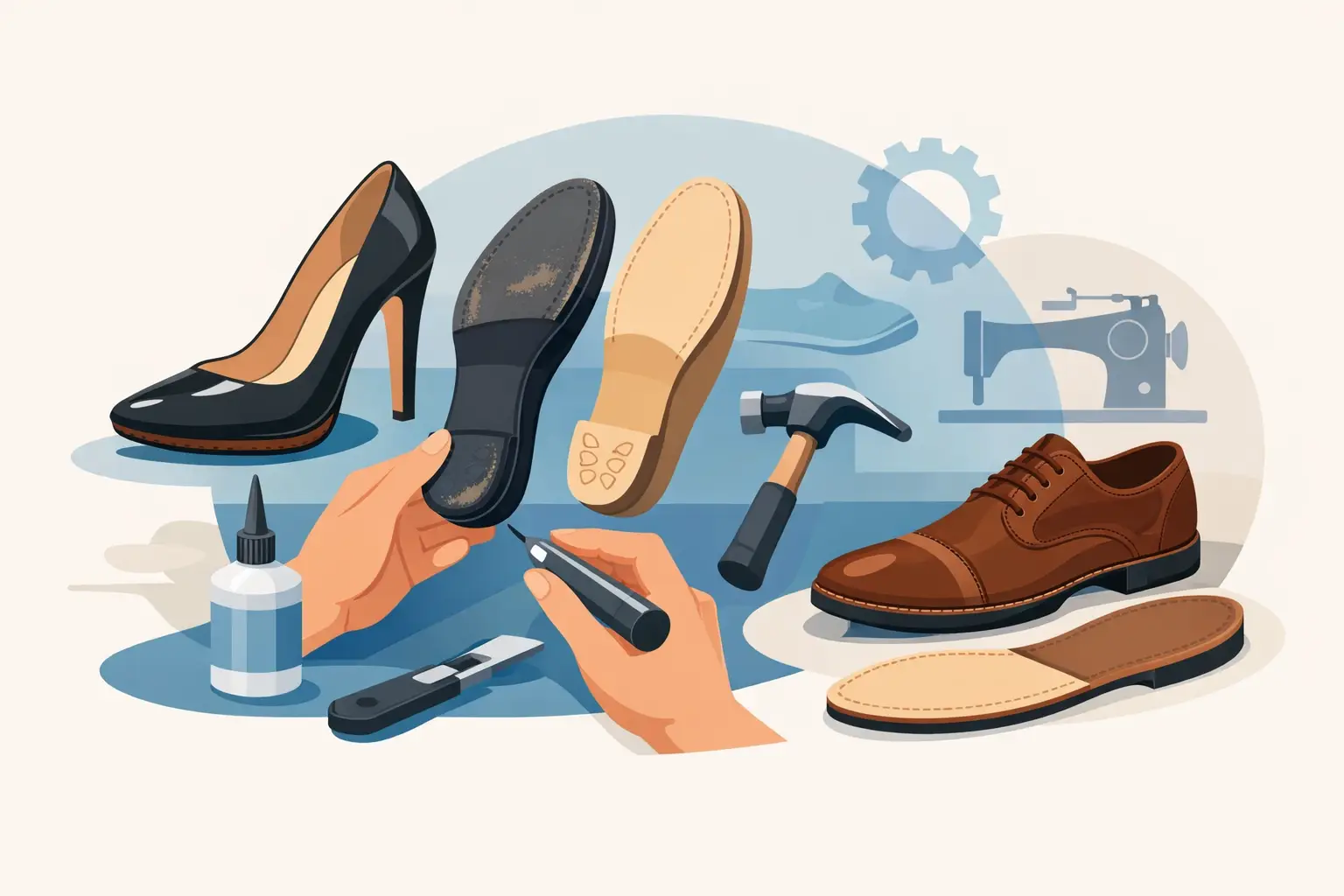
Material choice matters just as much. Leather soles, rubber half soles, full rubber units, stacked heels, protective top pieces, and internal support layers all affect the final result. Some clients want the original look restored as closely as possible. Others want a discreet upgrade, such as added traction or better durability for city wear. Neither approach is wrong. The right choice depends on how the shoe is actually used.
The process behind a high-quality repair
A premium repair should feel methodical from the start. First comes inspection of the sole, heel, upper condition, stitching, insole stability, and any hidden structural issues. If the shoe has been worn with a damaged bottom for too long, there may be internal breakdown that needs attention before a new sole goes on.
Next comes careful removal. This is where experience shows. Pulling off an old sole too aggressively can damage the upper edge, welt, or lasting shape. On luxury shoes, preserving the original lines is part of the repair, not a separate concern.
Once the shoe is prepared, the replacement sole is selected and shaped. Precision here is what prevents that bulky, aftermarket look. The sole has to match the shoe’s proportions, flex point, and edge profile. Heels may also need rebuilding or balancing so the pair sits correctly.
After attachment, finishing matters more than many people realize. Edge coloring, smoothing, cleaning, polishing, and sole finishing bring the shoe back into visual harmony. On a designer pair, the difference between acceptable and excellent often comes down to these final details.
Leather sole or rubber sole – which is better?
This is one of the most common questions, and the honest answer is that it depends on the shoe and the owner. Leather soles are elegant, breathable, and true to the original construction of many dress shoes. They look refined and wear beautifully when maintained properly. For formal use and occasional wear, they remain an excellent choice.
Rubber soles offer better grip, stronger resistance to moisture, and often longer day-to-day durability, especially for clients who walk frequently on hard urban surfaces. For travel, commuting, and regular use, rubber can be the more practical option. The trade-off is that some rubber replacements change the feel and visual lightness of the shoe.
There is also a middle ground. In some cases, a leather sole with a discreet rubber protector gives you a better balance between elegance and traction. That approach works well for clients who want to preserve a dressier appearance while adding everyday usability.
Signs a repair may need more than the sole
Sole wear rarely happens in isolation. If heels are leaning inward, the shoe feels twisted, or the insole has started collapsing, sole replacement alone may not solve the issue. Premium repair work often involves correcting heel caps, rebuilding support, reattaching loose sections, or addressing internal wear that affects comfort.
This is especially true for shoes that have been stored poorly or exposed to heat and moisture. Adhesives can weaken, leather can dry out, and shape can shift over time. A trusted workshop will tell you when a sole replacement is enough and when broader restoration is the better investment.
That level of honesty matters. Luxury clients are not looking for the cheapest fix. They want the right repair, done properly, so the shoes return to use with confidence.
How to protect the original look of luxury shoes
The best designer shoe sole replacement is the one that does not announce itself. That means respecting the original silhouette, sole thickness, edge finish, and overall character of the pair. Some shoes should look almost untouched after repair. Others can accept a subtle performance upgrade without losing their identity.
Color matching is part of this. So is finishing the edge correctly and making sure the heel height remains proportionate. Even small changes are noticeable on luxury footwear. A sole that is too thick, too dark, too glossy, or poorly trimmed can make an otherwise beautiful repair look obvious.
This is why premium handling matters. Repairing high-value shoes is not just technical labor. It is restoration work with aesthetic judgment.
Choosing a specialist for designer shoe sole replacement
If you are trusting someone with luxury shoes, ask the right questions. Experience with premium brands matters. So does the ability to assess photos before intake, explain repair options clearly, and identify when sole replacement should be paired with heel repair, polishing, cleaning, or internal correction.
Look for a service that understands both craftsmanship and convenience. Clients with demanding schedules want a clear process, realistic timelines, and careful item handling from consultation to return. That is part of premium service, not an added bonus.
At Shoe Clinic, that philosophy is central to the work. The goal is not simply to replace what is broken. It is to restore function, preserve appearance, and extend the life of shoes that still deserve a place in your wardrobe.
The value of repair over replacement
Replacing designer shoes every time the sole wears down is rarely the smartest option. A quality pair is made to be maintained. When the upper is still strong and the shape is worth preserving, expert repair gives you more wear from something you already trust and enjoy.
There is a financial benefit, of course, but for most luxury clients the bigger value is continuity. The shoes are already broken in. They suit your wardrobe. They carry the finish, fit, and presence you chose them for in the first place. A proper repair keeps that intact.
If your shoes have reached the point where the sole is letting the rest of the pair down, do not wait for the damage to spread. The best results usually come when skilled work starts before the problem becomes structural, and that is often the difference between a routine restoration and a much larger repair. Keep the pair, restore the foundation, and let good craftsmanship do what it was meant to do.