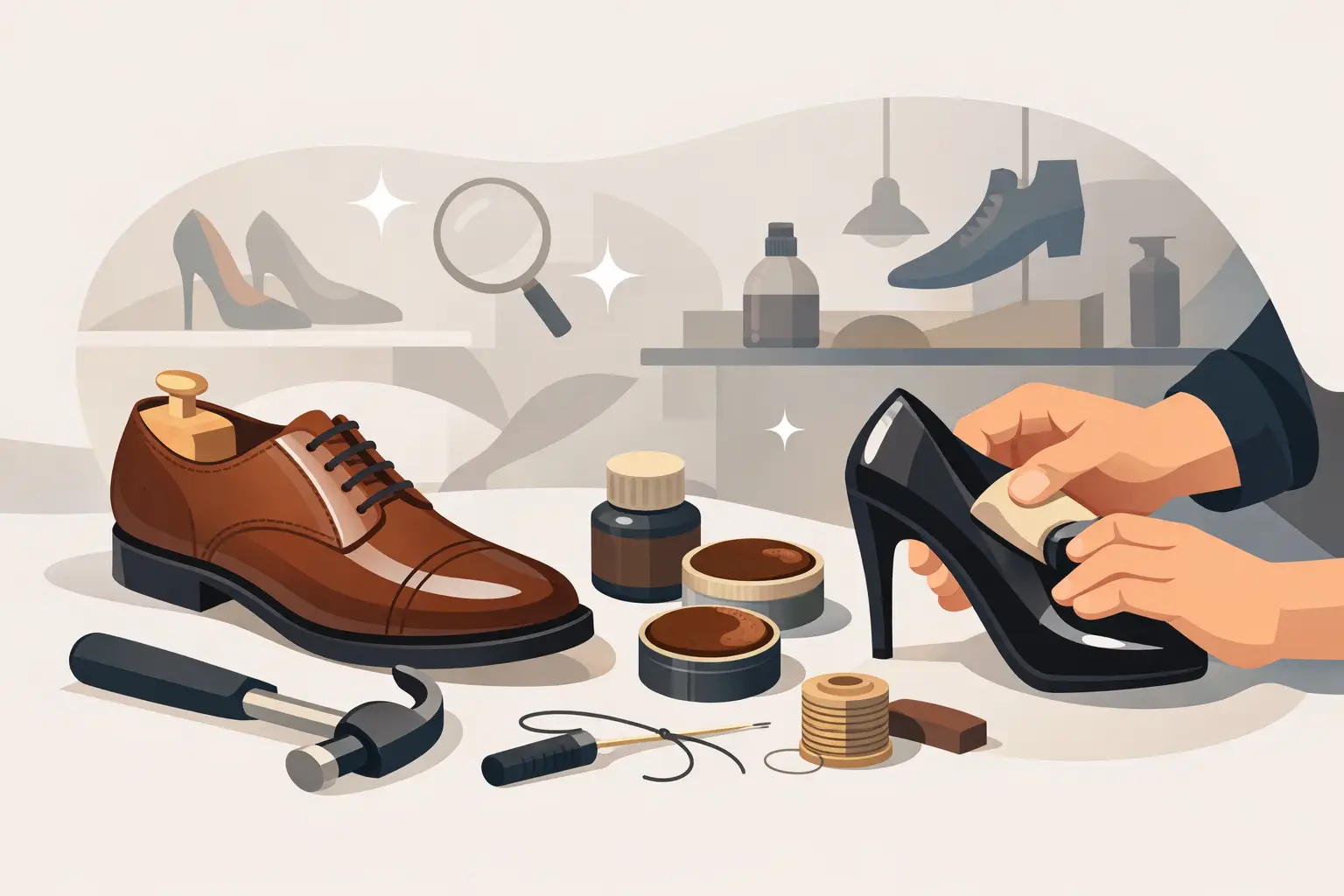
A scuffed toe on a designer loafer is frustrating. A split sole on a hand-finished boot is expensive. And the wrong repair can do more damage than the original wear. That is why a proper luxury shoe repair guide starts with one simple idea: premium shoes should be restored with the same level of care used to make them.
Luxury footwear is not just about branding. The materials are finer, the construction is more complex, and the finish is usually more delicate than standard retail pairs. A quick fix that works on everyday shoes may flatten the shape, mismatch the leather, or leave visible glue lines. Good repair is never just about making a shoe wearable again. It is about preserving structure, appearance, and value.
What makes luxury shoe repair different
High-end shoes tend to use full-grain leather, hand-burnished finishes, leather soles, stacked heels, stitched welts, and carefully balanced silhouettes. Each of those details changes the repair approach. Replacing a heel cap on a luxury pump, for example, is not complicated in theory, but the wrong height, density, or finish can affect comfort and alter the original profile.
Leather uppers also react differently depending on tannage, dye depth, softness, and age. Some stains can be lifted with controlled cleaning. Others penetrate the finish and require color correction. In certain cases, trying to remove the mark completely can create a larger patch of discoloration. That is where experience matters. The right technician knows when to clean, when to restore color, and when to leave a minor sign of wear rather than risk overworking the leather.
A luxury shoe repair guide to common problems
Most premium shoe repairs fall into two categories: structural and cosmetic. Structural work protects function. Cosmetic work protects appearance. Many pairs need both.
Sole wear and sole replacement
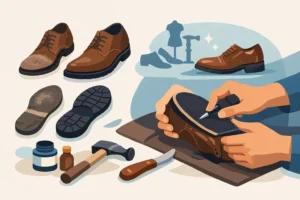
Soles usually show the first signs of serious use. On leather-soled shoes, thinning at the forepart can become soft spots or holes. On rubber soles, edge separation and uneven wear are more common. The right repair depends on the original build.
If the sole is only worn at the front, a partial sole protector or forepart replacement may be enough. If the sole has lost integrity across the full length, full sole replacement is the better investment. For stitched construction, preserving or replicating the original attachment method matters. For cemented shoes, surface preparation and bonding technique are critical. A cheaper repair may hold for a while, but poor alignment or weak adhesion often shows up quickly.
Heel repair and heel cap replacement
Heel caps wear down faster than many owners realize. Once they wear unevenly, they can throw off balance and put stress on the heel block. Replacing the cap early is usually simple and cost-effective. Leaving it too long can lead to more involved heel reconstruction.
On luxury shoes, the finish of the heel matters almost as much as the repair itself. A technically sound heel cap that looks visibly different from the original still feels like a poor result. Matching shape, color, and clean edges is part of premium care.
Stitching, sticking, and edge separation
Loose stitching near the welt or upper is not always a major issue, but it should be checked early. The same goes for slight sole separation. Small openings let in dirt and moisture, which can weaken surrounding materials over time.
There is a difference between a clean re-bonding job and a rushed glue fix. Premium repair involves proper cleaning, preparation, pressure, and finishing. If stitching is required, thread choice, stitch spacing, and hole placement all affect the final look.
Insole and interior repairs
A luxury shoe can look excellent on the outside and still feel wrong because the inside has broken down. Compressed insoles, lifted linings, worn heel grips, and interior cracking are common in frequently worn pairs. These issues affect comfort, fit, and hygiene.
Interior work is often overlooked because it is less visible, but it can extend the life of a favorite pair significantly. Insole rectification, lining repair, and sanitization are especially useful for shoes that are structurally sound but no longer comfortable enough for regular use.
Stain removal, polishing, and color restoration
Surface marks are not all the same. Water stains, oil marks, dye transfer, and scuffing each require a different treatment. Darkening a stain with household products is one of the most common mistakes owners make. Once the leather absorbs the wrong substance, restoration becomes more difficult.
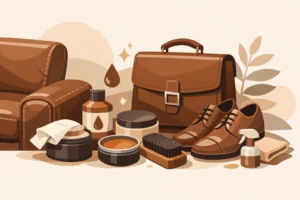
Polishing should also match the shoe. Some finishes benefit from cream nourishment and controlled buffing. Others need a lighter touch to avoid changing the original character. Color restoration can revive faded toes, worn edges, and uneven panels, but over-pigmenting the leather can make the pair look heavy or artificial. The best results are balanced, not exaggerated.
When repair is worth it and when it depends
Not every damaged pair needs a full restoration. A good workshop should be honest about that. If the upper leather is badly cracked through the grain, the inner structure is collapsing, and the sole is fully compromised, the repair may become more about appearance than long-term wear.
That said, many luxury shoes that look beyond help are still excellent candidates for restoration. Premium footwear is often built to be repaired. If the shoe has a strong upper, a stable shape, and quality materials, repairs can make financial and practical sense. The value is not only in replacement cost. It is also in fit, comfort, and preserving a pair you already trust.
How to choose the right repair specialist
Luxury shoes should not be handed over to a general repair counter without asking questions. The standard to look for is not speed alone. It is judgment.
A reliable specialist should be able to assess damage from photos, explain what can be repaired, and tell you where the trade-offs are. They should distinguish between routine maintenance and deeper restoration. They should also understand brand-specific finishes and construction methods, especially for shoes with delicate leather, unusual hardware, or high-gloss surfaces.
Presentation matters too. Clean finishing, consistent edge work, proper color matching, and careful handling are signs of a workshop that respects premium items. That is part of the reason many clients choose a specialist like Shoe Clinic rather than risk trial-and-error repairs on expensive pairs.
What you should do before sending shoes for repair
Do not scrub the shoes aggressively before assessment. Do not apply random conditioners, home polish, or glue. Those efforts often hide the real condition and make accurate repair harder.
Instead, take clear photos in natural light. Capture the soles, heels, sides, interior, and any close-up damage. Mention whether the problem developed suddenly or over time. If the pair has already been repaired before, say so. Previous glue, stitching, or repainting changes the repair plan.
If you wear the shoes often, explain how you use them. Office wear, travel, occasional events, and outdoor use all affect material stress. A repair that is ideal for occasional formal use may not be the right choice for weekly heavy wear.
How to protect luxury shoes after repair
A good repair deserves better maintenance afterward. Rotate your pairs instead of wearing the same shoes on consecutive days. Use shoe trees where appropriate to support shape and reduce moisture retention. Keep leather clean, but avoid overconditioning. Too much product can soften structure and dull the finish.
Pay attention to the smallest signs of wear. Heel caps, sole edges, light scuffs, and minor separation are easier and less expensive to address early. Waiting until damage becomes obvious usually means more extensive work.
Storage also matters. Heat, humidity, and careless stacking can undo careful restoration. Keep shoes dry, supported, and protected from direct sunlight. Premium materials age well when handled properly, but they do not respond well to neglect.
The real value of expert restoration
Luxury shoe repair is not about hiding flaws with surface polish. It is about extending the life of quality footwear without stripping away what made it worth buying in the first place. The best repairs respect the original design, improve wearability, and leave the pair looking like it has been cared for, not overworked.
If you own premium shoes, think like a custodian rather than a replacement shopper. The right repair at the right time can preserve comfort, protect appearance, and keep a well-made pair in rotation for years longer than most people expect. That is usually the smartest kind of luxury.