A worn heel on Berluti, a separating sole on Gucci loafers, or deep scuffs across a pair of Louboutin pumps should not send you straight to replacement. The best luxury shoe cobbler is not simply someone who can glue, stitch, and polish. It is a specialist who understands construction, leather behavior, brand-specific finishing, and how to restore wear without stripping away the character that made the pair worth buying in the first place.
That distinction matters more than most owners realize. Luxury shoes are not built like mass-market footwear, and they should not be repaired like it. Premium calfskin reacts differently to cleaning agents. Hand-finished patina can be ruined by aggressive recoloring. Blake stitch, Goodyear welt, cemented soles, stacked leather heels, painted edges, lambskin linings, and suede panels all call for different methods. A good neighborhood repair shop may handle everyday shoes well. A luxury specialist is there to protect shape, finish, comfort, and resale value.
What makes the best luxury shoe cobbler different
The first sign of a true luxury repair specialist is restraint. Skilled restoration is not about making every shoe look freshly manufactured at any cost. It is about correcting damage while respecting the original design. That means matching sole thickness, preserving silhouette, rebuilding support where needed, and choosing repair methods that do not create obvious shortcuts.
For luxury footwear, details are everything. Heel caps need to be replaced at the right moment, before the wear reaches the heel block. Insoles should be rectified without changing the fit. Stitches should follow original lines and tension. Sole replacement has to account for flexibility, edge finish, and the way the shoe breaks under the foot. Even sanitization and deodorizing need a careful approach so the interior is refreshed without damaging leather lining or adhesives.
A specialist also understands that not every repair should be pushed to the maximum. Sometimes a full sole replacement is right. Sometimes a protective sole addition is the smarter move because it preserves more original material. Sometimes color restoration improves appearance. Sometimes overworking the upper creates a painted, artificial result. The best decision depends on the shoe, the damage, and what the owner values most – appearance, wearability, authenticity, or long-term preservation.
Best luxury shoe cobbler: what to look for
If you are comparing repair providers, look beyond polished photos and broad promises. The quality of the process often tells you more than the marketing.
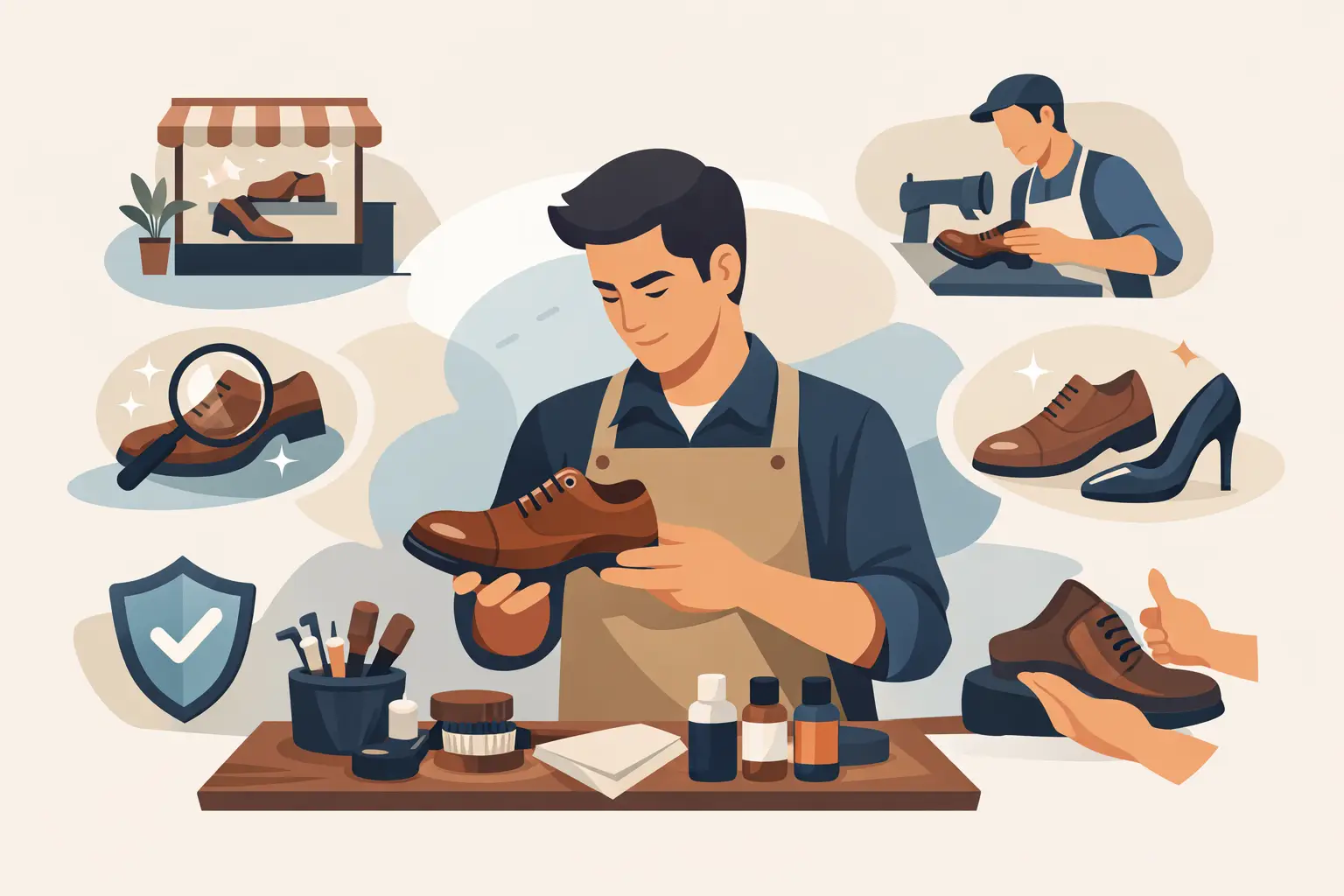
A strong luxury cobbler starts with assessment, not assumptions. They should ask for clear images or examine the pair in person before quoting a solution. That is because sole separation can be cosmetic on one pair and structural on another. Cracking may be surface-level finish loss, or it may signal dried leather that needs conditioning before any recoloring. A proper diagnosis protects both the outcome and the item.
Material fluency is another non-negotiable. Smooth calf leather, patent leather, suede, nubuck, exotic finishes, fabric-trimmed sneakers, and leather-lined boots all require different handling. If a repair shop treats luxury shoes as one category, that is usually a warning sign. High-value footwear needs case-by-case decisions.
You should also pay attention to how the workshop talks about replacement parts and finishing. Premium results come from matching components closely, whether that means heel caps, soles, insoles, edge dye, thread, hardware, or lining materials. Perfect one-to-one matching is not always possible, especially on older or limited models, but a quality specialist will be transparent about that and explain the best available option rather than improvising without discussion.
The repairs that matter most in luxury footwear
Most premium shoes do not fail all at once. They decline in stages, and early intervention is often the difference between a clean repair and a more invasive restoration later.
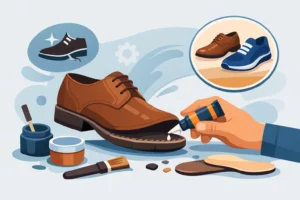
Heel repair is a good example. Once the cap wears down unevenly, gait changes follow. Leave it too long and the heel block may start taking damage. Replacing a heel cap on time is simple and cost-effective. Waiting can lead to reshaping, rebuilding, and refinishing work that is harder to disguise.
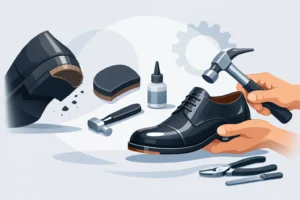
Sole work is another area where quality varies dramatically. Broken sole replacement is not just about attaching new material. On luxury shoes, the cobbler must preserve balance, flex, and the original profile. If the sole is too thick, too stiff, or poorly finished at the edge, the whole shoe looks and feels wrong. The same goes for boots, where poor sole work can alter shaft posture and walking comfort.
Upper restoration takes a more nuanced hand. Scuffs, stains, fading, and loss of finish can often be improved significantly, but good results depend on measured treatment. Deep scratches may need filling and recoloring. Water marks may respond to cleaning and conditioning, though not always perfectly. Color change services can refresh a tired pair or modernize it, but they need to be done with an understanding of leather absorption and finish durability. On expensive shoes, cosmetic work should improve the appearance without leaving the leather heavy, cracked, or unnaturally coated.
Interior repairs matter too, even if they are less visible. Insole rectification, lining repair, stretching, sanitization, and odor treatment can extend the life of a pair dramatically. Luxury owners often focus on the exterior because it is what people see. Comfort and hygiene are what keep the shoes in rotation.
Why luxury brand familiarity matters
The best luxury shoe cobbler does not need a logo to know what they are handling. Construction tells the story. A specialist who regularly works on designer shoes learns common wear patterns, finishing styles, leather grades, and repair risks across brands.
That experience shapes better decisions. Some shoes can take more aggressive polishing and edge refinishing. Others cannot. Some designer sneakers hide structural stitching under cosmetic layers. Some loafers are known for soft uppers that lose form if overconditioned. Some fashion heels need careful reinforcement because the original build favors appearance over durability.
Brand familiarity also matters for expectation setting. A premium repair specialist should be honest when a shoe can be restored to excellent wearable condition but not made flawless. That honesty is part of quality. It protects trust and prevents the disappointment that comes from unrealistic promises.
Convenience matters, but only after craftsmanship
For busy professionals and frequent travelers, the service model matters almost as much as the repair itself. Image-based consultations, clear intake, item tracking, and smooth handoff from submission to delivery make the process easier. That convenience is valuable, especially when the item is expensive and the owner wants confidence from the first message onward.
Still, convenience should support craftsmanship, not replace it. Fast turnaround is helpful, but not if it means rushed drying times, weak adhesives, or generic finishing. The right provider combines practical service with disciplined workshop standards. That balance is where premium care stands apart.
At Shoe Clinic, that philosophy is simple: treat every pair as an investment worth preserving, not a quick fix on the bench. For luxury footwear owners, that difference is visible in the shape, finish, and wearability long after the repair is complete.
Questions to ask before handing over your shoes
Before choosing a repair specialist, ask how they assess damage, what materials they use, and whether the repair will preserve the original look and fit. Ask what result is realistic, not just what is possible in theory. Ask whether they handle luxury leather regularly and how they approach color matching, sole replacement, and internal repairs.
You do not need a dramatic sales pitch. You need clear answers. A premium cobbler should be able to explain the trade-offs between restoration options in plain language. That is often the clearest sign that they know what they are doing.
When repair is worth it – and when it may not be
Most luxury shoes are worth repairing if the upper leather is still healthy and the structure can be stabilized. High-quality materials usually respond well to expert care, and the cost of restoration is often justified by extended wear and preserved appearance.
But there are limits. If leather has become brittle throughout, if the shoe has warped badly from moisture, or if repeated poor repairs have altered the original shape, even expert work may only deliver partial improvement. A trustworthy specialist will tell you when a pair is better suited for occasional use, display, or retirement.
That kind of guidance is part of what separates premium repair from basic cobbling. The goal is not to sell every possible service. It is to protect the life, look, and integrity of the item as far as it can reasonably go.
Luxury shoes are made to be worn, not anxiously stored in boxes forever. With the right hands, a good pair can keep its presence, comfort, and value far longer than most owners expect. Choose the craftsperson who sees restoration the way you see the shoes themselves – as something worth getting right.