A heel rarely breaks at a convenient moment. It snaps on the way into a meeting, loosens during an event, or starts wobbling when you are already far from home. If you are searching for how to fix broken shoe heels, the first thing to know is simple: not every heel should be handled the same way. A missing heel cap is one problem. A cracked heel block, exposed pin, or detached heel base is another.
The right repair depends on the shoe’s construction, the value of the pair, and how much structural damage has already happened. For premium leather shoes, designer pumps, boots, and formal footwear, a rushed fix can easily create more damage than the original break. The goal is not just to make the shoe wearable again. It is to restore balance, stability, and appearance without compromising the shape of the shoe.
How to fix broken shoe heels without making it worse
Before doing anything, stop wearing the shoe. A broken heel shifts your weight unevenly and can damage the sole, insole, shank, and upper in just a few steps. It also turns a minor repair into a more expensive structural one.
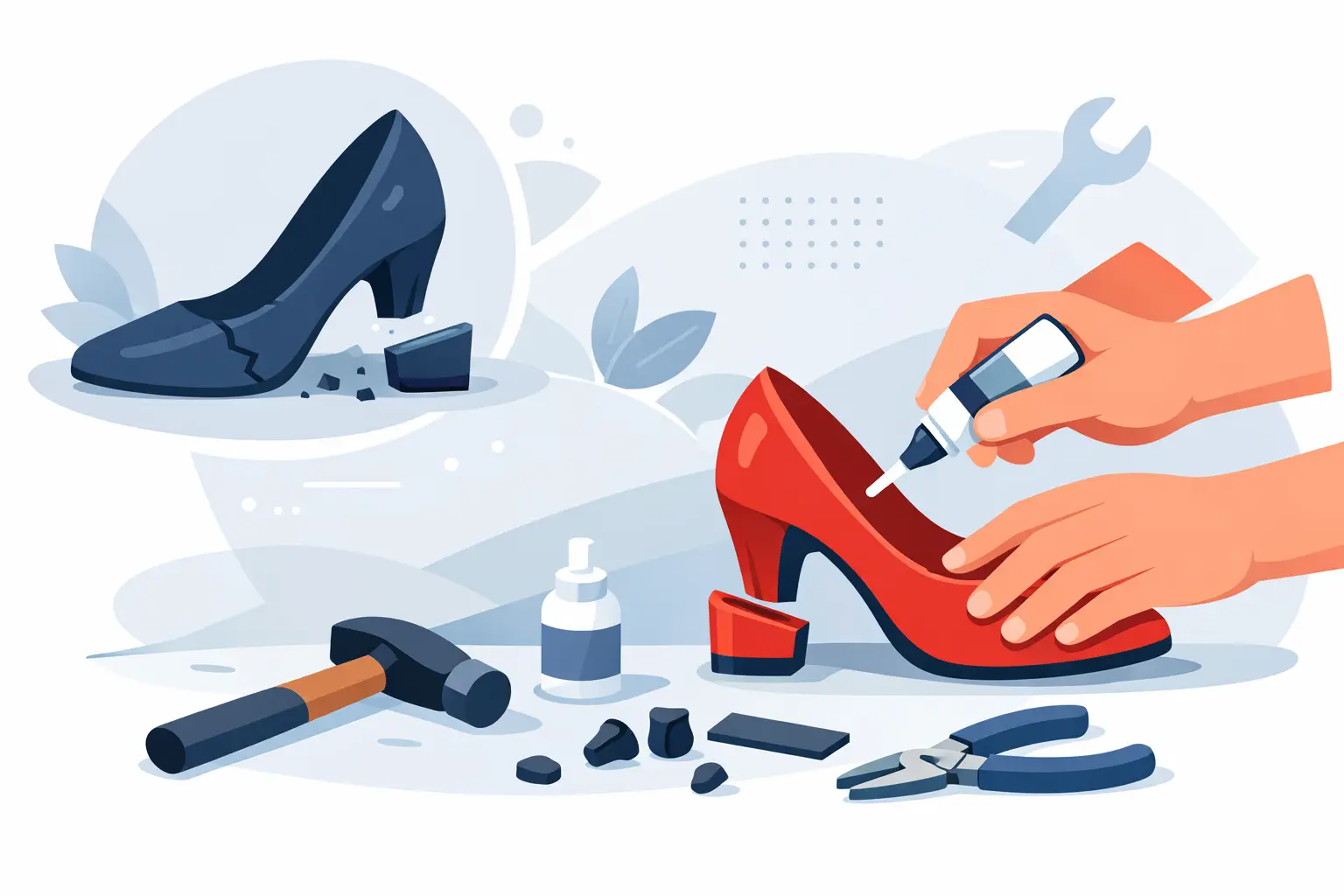
Look closely at what has actually failed. If the rubber heel cap has worn down or fallen off, that is usually a straightforward replacement. If the entire heel block is loose, cracked, or detached from the shoe, the repair becomes more technical. On high heels, the internal metal pin may bend or loosen. On boots and stacked heels, layers can split or lift. Each of these requires a different approach.
If the upper leather is still in good condition and the heel damage is isolated, repair is often the smart choice. Quality shoes are built to be restored. If the heel has broken off and taken part of the sole or seat with it, the work must be done with proper alignment and materials. Glue alone is rarely enough for a lasting result.
Start by identifying the type of heel damage
A worn or missing heel tip is the most common issue. You will usually notice a clicking sound, uneven walking, or metal contact with the ground. This is the easiest repair and should be handled quickly because exposed pins wear down fast.
A loose heel is different. The heel may feel unstable, shift side to side, or separate slightly from the base of the shoe. In this case, the problem may involve weakened bonding, internal fasteners, or damaged heel seats.
A cracked heel block is more serious. The outer material may split, chip, or break under pressure. This often happens on older shoes, heavily used stilettos, or pairs exposed to heat and moisture over time. Once the structure is compromised, cosmetic patching will not restore safe wear.
Then there is full heel detachment. If the heel comes off completely, many people assume it can simply be glued back. On well-made shoes, that is rarely the correct repair. The area usually needs cleaning, rebuilding, reattachment, and finishing so the shoe sits level again.
When a DIY fix is reasonable
There are situations where a careful temporary fix makes sense. If the issue is only a missing heel cap and you have the exact replacement size, you may be able to install a new tip. This works best on standard heels where the pin is intact and the surrounding heel material is not damaged.
Some people also use adhesive for a lightly lifting heel edge, but this should be seen as temporary at best. Household glue can harden incorrectly, stain leather, and make professional repair more difficult later. It also does not address internal weakness.
For valuable shoes, DIY should be limited. Designer heels, leather-covered heels, and finely balanced formal shoes require precision. Even a slight misalignment changes posture, comfort, and wear pattern. If the pair matters to you, preserving the original look is just as important as restoring function.
How to fix broken shoe heels at home for minor issues
If you are dealing with a missing heel tip and the shoe is otherwise stable, work on a clean, dry surface and inspect the exposed pin first. If the pin is straight and secure, remove any debris and fit the correct replacement tip. It should sit flush, with no wobble.
Do not force a mismatched cap into place. A poor fit can crack the heel stem or cause the new tip to come off quickly. Once installed, test the shoe gently on a flat floor before wearing it outside.
If a heel edge has started to separate slightly, avoid soaking the area in glue. Use only a minimal amount of repair adhesive designed for footwear, press carefully, and allow full curing time. Even then, be realistic. This may get you through the day, but it is not the same as a proper workshop repair.
The moment you see cracking, twisting, detached layers, or exposed internal parts, stop the home repair attempt. That is where professional restoration becomes the safer option.
Why professional heel repair lasts longer
A proper heel repair is not just about sticking parts back together. It starts with assessment. The shoe is checked for balance, internal support, sole condition, and material compatibility. The damaged area is then cleaned and prepared so new bonding or replacement parts can perform properly.
For detached heels, technicians often need to rebuild the seat, reinforce the attachment point, and secure the heel with the right combination of adhesive and fastening. For worn heel caps, the replacement must match size, shape, and walking surface. For cracked heels, the damaged section may need replacement rather than patching.
Finishing matters too. On premium footwear, the repair should not look obvious. The color, edge profile, heel height, and overall silhouette need to remain consistent with the original pair. That is especially important for luxury shoes, where poor finishing is immediately visible.
This is where specialist handling makes a difference. A premium repair workshop treats the shoe as a crafted item, not just an everyday object. At Shoe Clinic, that approach is central to heel work, especially when the pair carries brand value, sentimental value, or both.
Materials matter more than most people think
Not all heels are built from the same materials. Some are leather stacked, some are resin-based, some are wood-effect composites, and some are wrapped in delicate leather or fabric. The wrong adhesive or replacement part can stain, warp, or weaken the heel.
That is one reason quick fixes fail so often. A repair that seems fine for two days may break again because the material was not properly matched. Heat, pressure, and walking impact put constant stress on heel structures. Repairs need to account for that.
For boots and men’s dress shoes, the issue may involve heel base wear rather than a snapped high heel. Those repairs can still be technical, especially when the sole and heel need to be rebuilt together to keep the shoe level. A good result is about symmetry as much as strength.
When repair is better than replacement
If you own a quality pair, replacing the shoe is often the more expensive move. Well-made leather shoes are designed to outlast surface damage when repaired correctly. The upper may still be excellent even when the heel has failed.
Repair also preserves fit. Anyone who has broken in a favorite pair of pumps, boots, or formal shoes knows that replacing them is not simple. The new pair may look similar but feel entirely different. Restoring the original pair keeps the comfort, shape, and style you already trust.
That said, it depends on the extent of damage. If the heel broke because the whole shoe has deteriorated from age, heavy moisture exposure, or severe sole failure, the repair may need to be more comprehensive. A good workshop will tell you whether a simple heel repair is enough or whether the shoe needs broader restoration.
How to protect repaired heels afterward
Once the heel is fixed, a little preventive care goes a long way. Replace heel caps before they wear down completely. Store shoes properly so the heel does not get knocked or crushed. Avoid wearing delicate heels on rough paving, uneven stone, or long outdoor walks.
Rotation helps too. Wearing the same pair every day increases stress and shortens the life of both the heel and sole. For leather shoes, routine maintenance keeps the full structure healthier, not just the visible surface.
If you notice wobbling, unusual sounds, or uneven wear, have the pair checked early. Heel problems almost always start small. Catching them at that stage keeps the repair cleaner, faster, and more cost-effective.
Broken heels feel dramatic in the moment, but they are often very repairable when handled correctly. The smart move is not to hide the damage or patch it in a hurry. It is to treat the shoe with the same care you gave when choosing it in the first place.